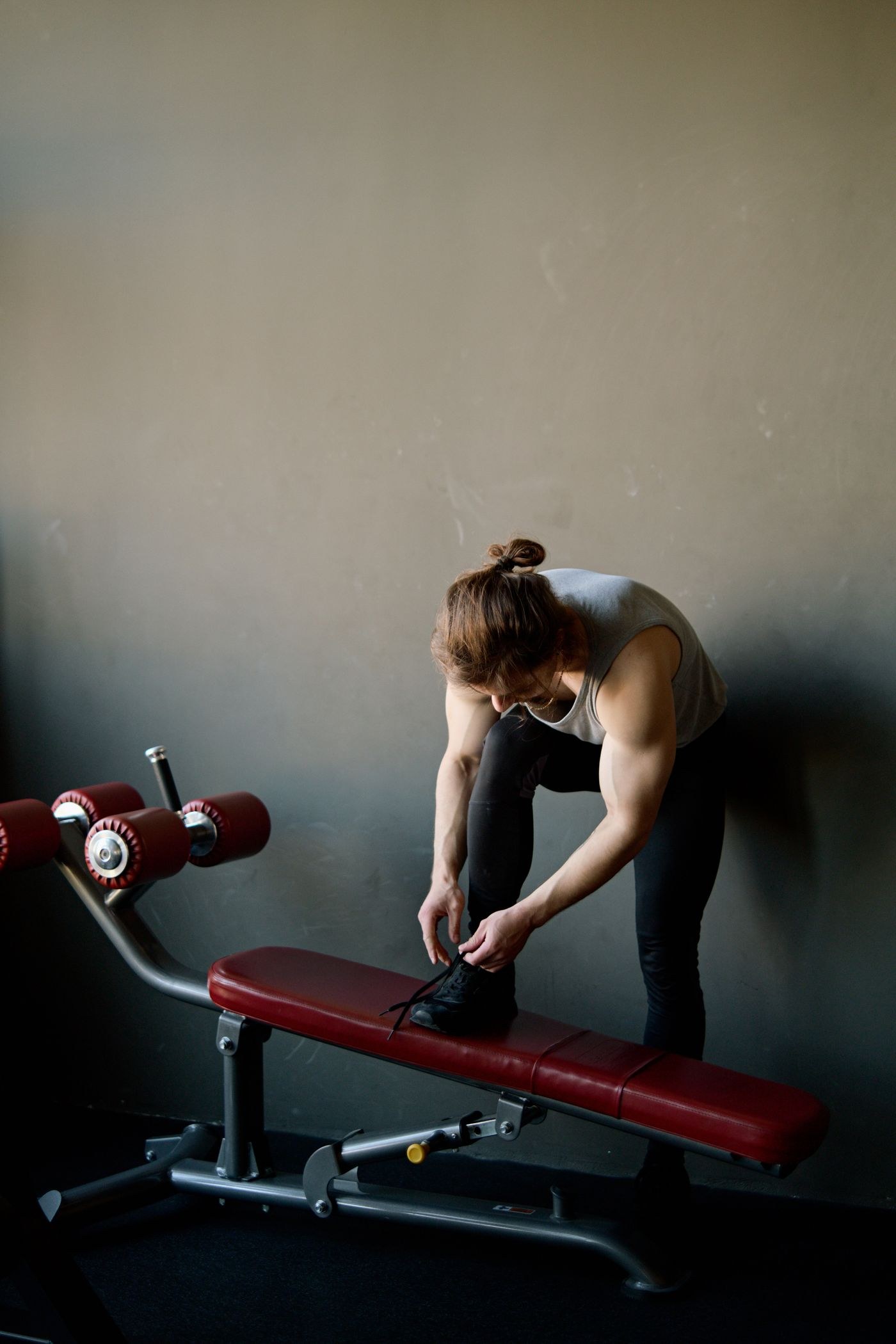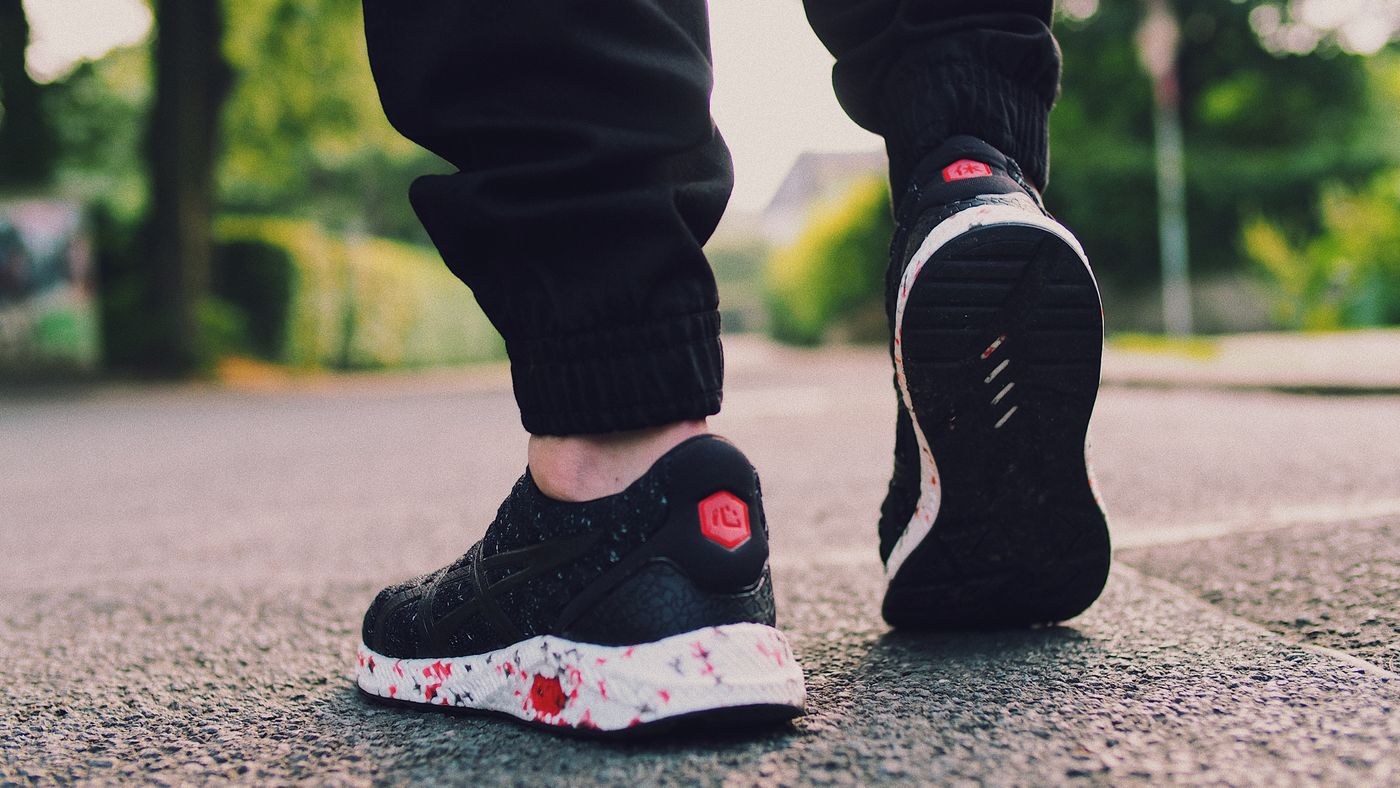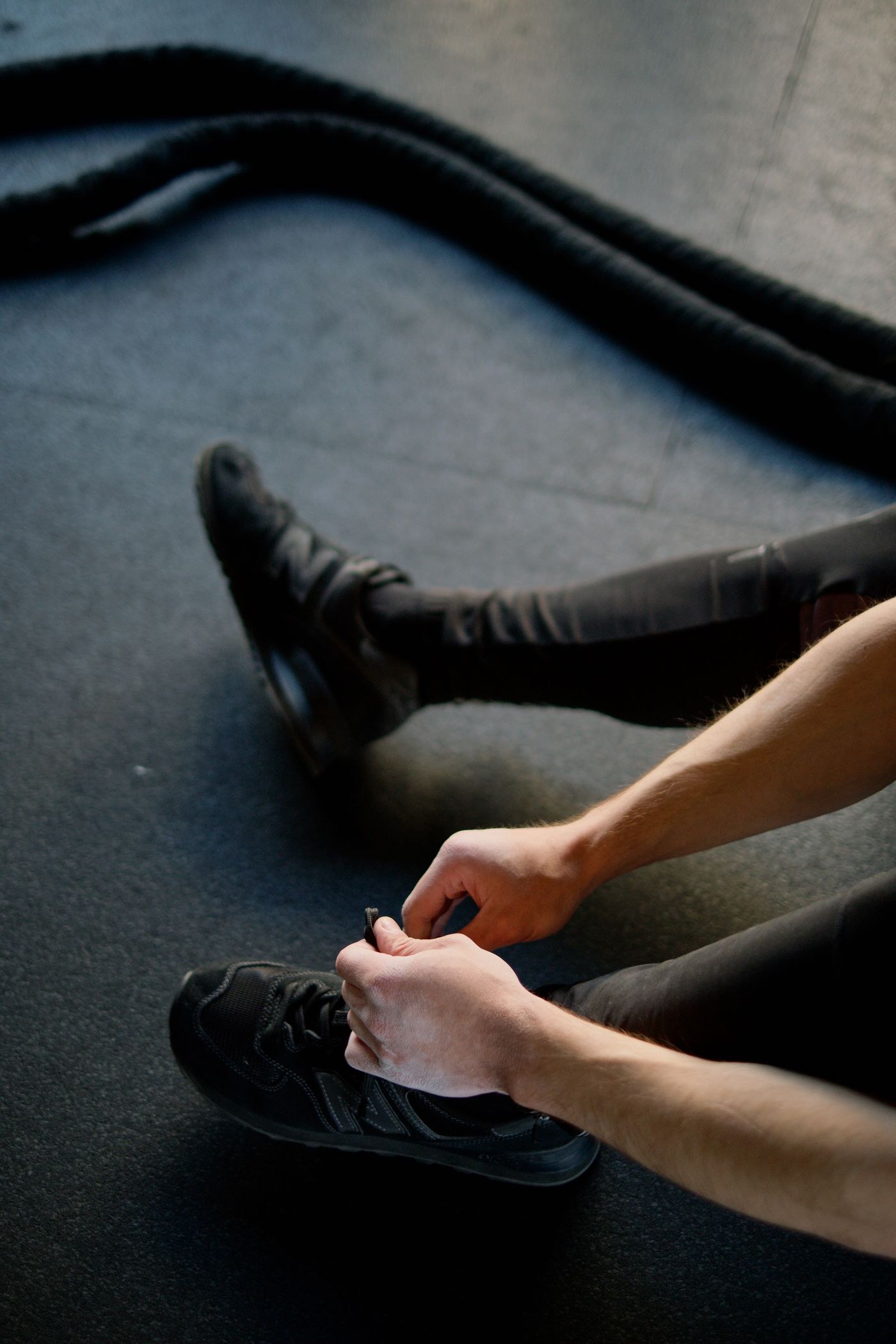
Training kit
The layer that feels right while waiting outside may be too warm once the warm-up begins. Choose clothing you can adjust safely.
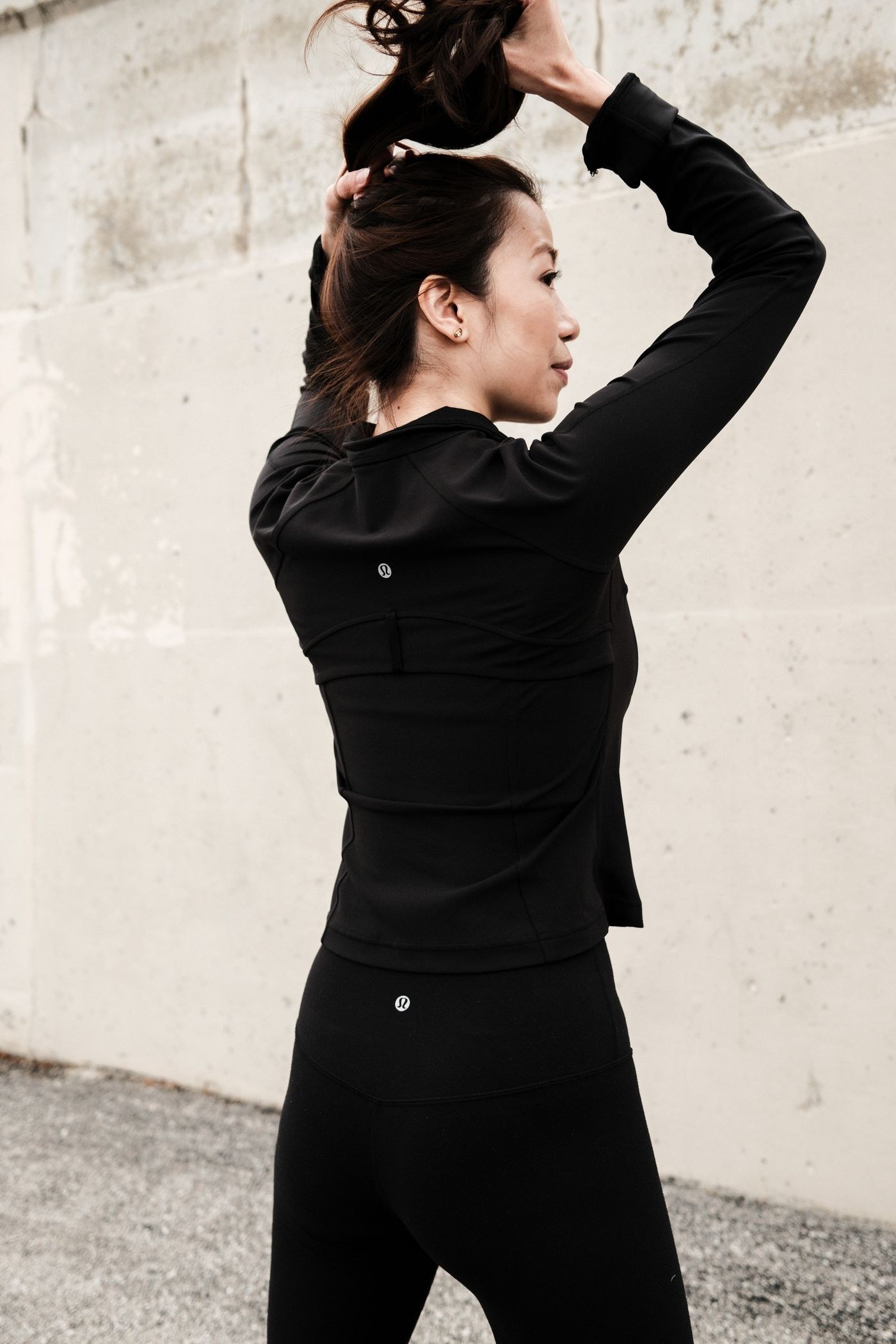
Think about arrival, moving and stopping afterwards. During arrival you may stand still while the group gathers. During the warm-up you need freedom to reach and step. Afterwards you may need a dry or warmer layer for the journey. One heavy garment is not always convenient for all three.
Try a comfortable inner layer with an outer piece that can be removed or opened easily. A zip can make adjustment simpler, but check that it does not rub or catch. Avoid long scarves, trailing cords and loose fabric that can interfere with equipment.
Make sure you can remove a layer without dropping belongings into the training area. Choose a place to put it that stays dry and does not block a path. If you need to take off gloves to operate a zip, consider whether that is practical in the expected conditions.
Check the full range of movement while wearing the layers together. Sleeves may bind at the elbows or shoulders even when each garment feels comfortable alone. A hood should allow you to look around, and pockets should keep small items secure rather than letting them swing during movement.
A cool-looking morning can become warm in sheltered sun, while wind can make an exposed area feel colder. Check the forecast and conditions where the session takes place. Adjust the plan if rain or cold makes the outing unsuitable; clothing is not a reason to ignore unsafe ground or a warning.
Keep the spare layer available for pauses rather than leaving it far from the group. If a garment becomes wet, consider changing and shortening the session. Do not wait until the journey home to discover that all your clothing is damp.
After a few outings, note which combinations worked and which were cumbersome. You may find that a light removable layer is used more often than an expensive technical jacket. Buy to solve the specific problem you encountered, such as wind exposure or difficult fastenings, rather than trying to assemble a complete outdoor wardrobe at once.