Training kit
A mixed gym session asks a shoe to do several jobs. Choose around the movements and surfaces you actually use, then check the fit while moving rather than standing still.
Think about a normal session: perhaps a warm-up on a bike, controlled strength exercises and a few side steps. That is a different brief from a long pavement run. Running shoes commonly prioritise repeated forward movement, while training designs may place more emphasis on a stable platform for varied directions. Neither label guarantees the right fit for your foot.
Ask the organiser what the class includes if you have not attended before. A large amount of running may change your choice. Dedicated heavy lifting and technical sports can also call for more specific footwear. A general gym shoe is a compromise, so define the activities you want that compromise to cover.
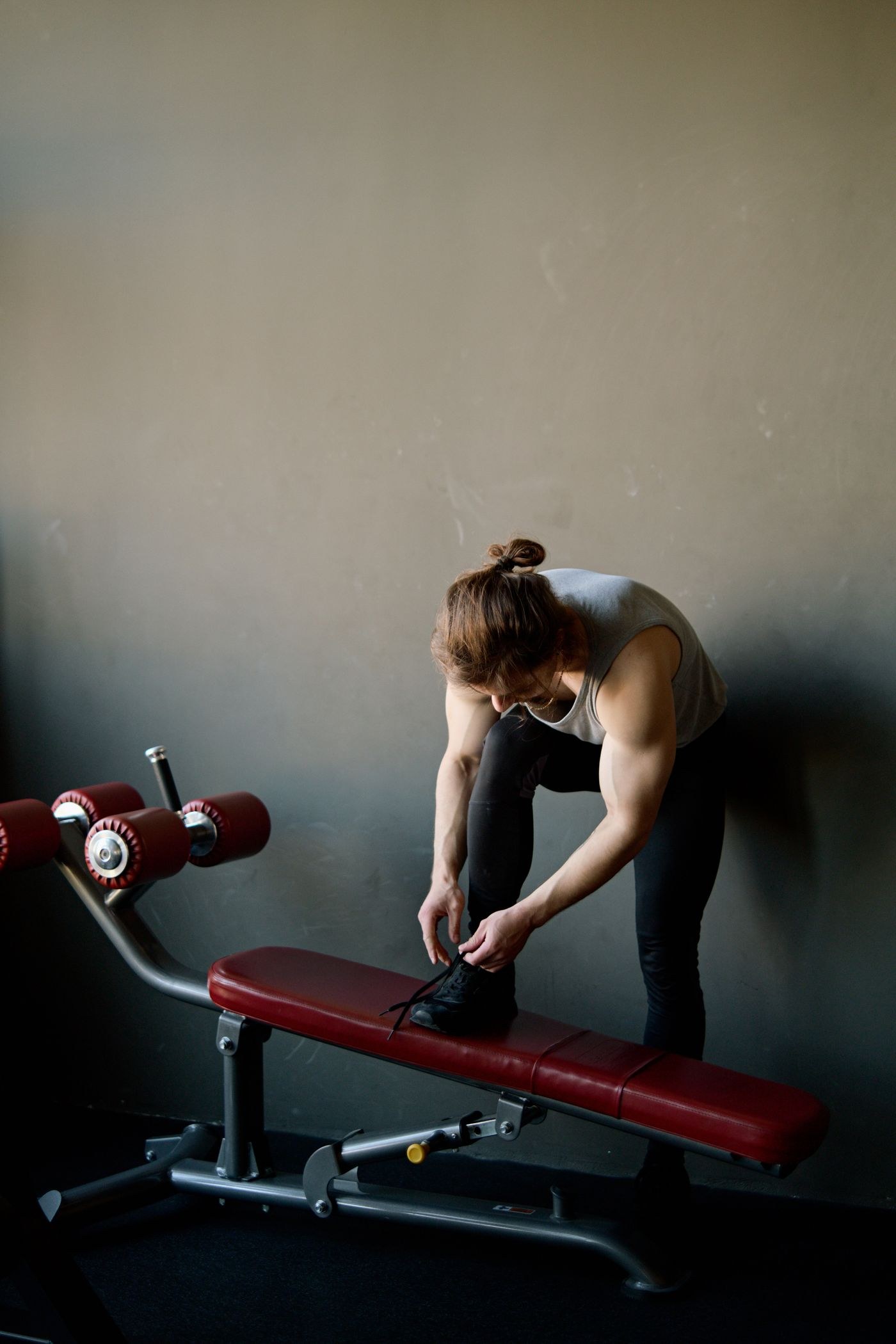
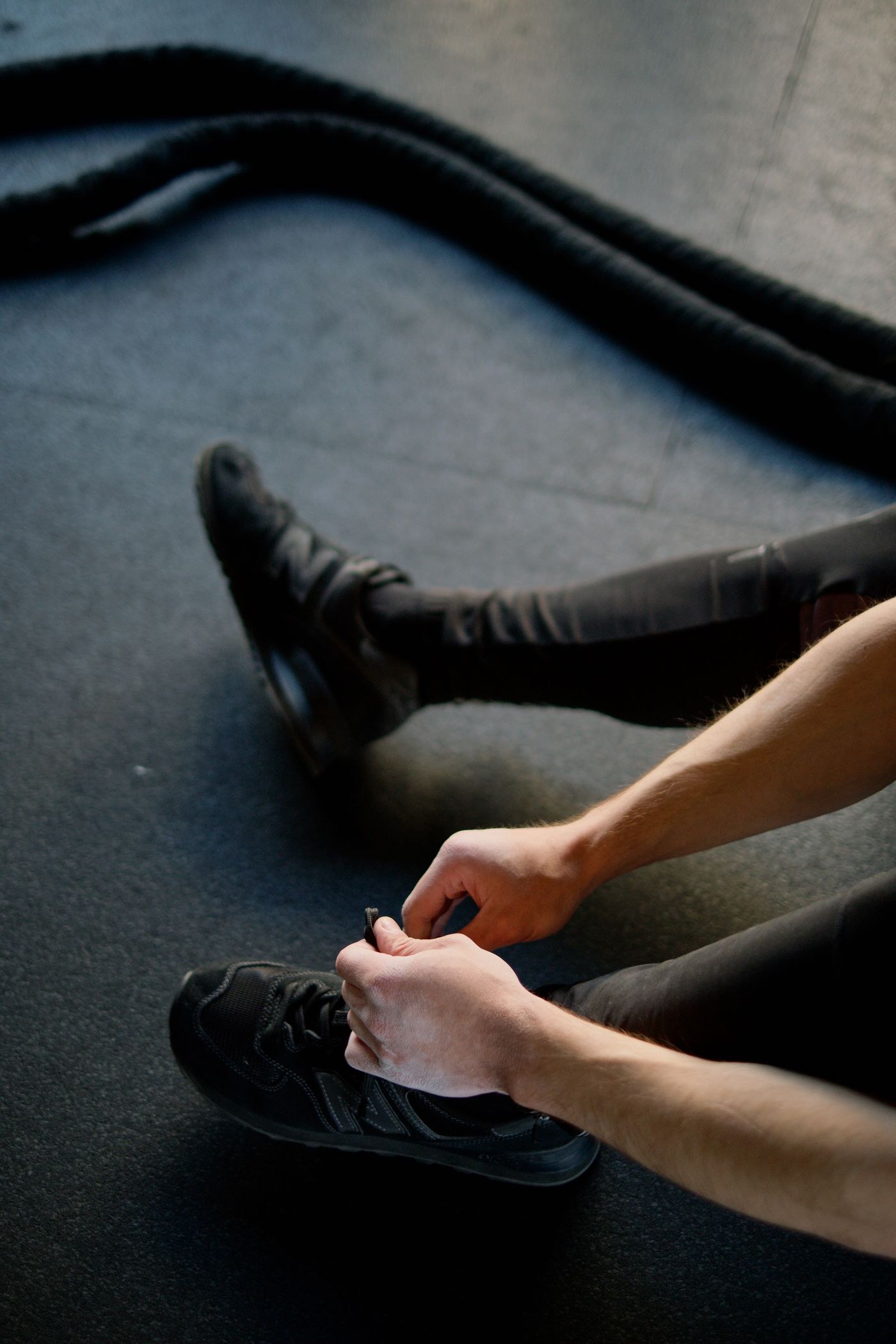
Bring the socks you expect to train in and try both shoes. Lace them securely without compressing the top of the foot. Walk around, then make a few gentle changes of direction in the space the shop allows. The foot should not slide sideways over the sole, and the heel should not repeatedly lift out of its seat.
Check room at the front and pressure across the widest part of the foot. Toes should not be jammed against the end or squeezed together. Compare sizes or widths rather than assuming your usual number will fit every model. A shoe that feels tight in the shop is not a sensible purchase simply because someone promises it will stretch.
If you are comfortable doing so, try a shallow squat and a gentle step to the side. Notice whether the shoe feels excessively wobbly for the movements you plan. This is a fit check, not a test of strength, and a shop floor cannot reproduce every training surface.
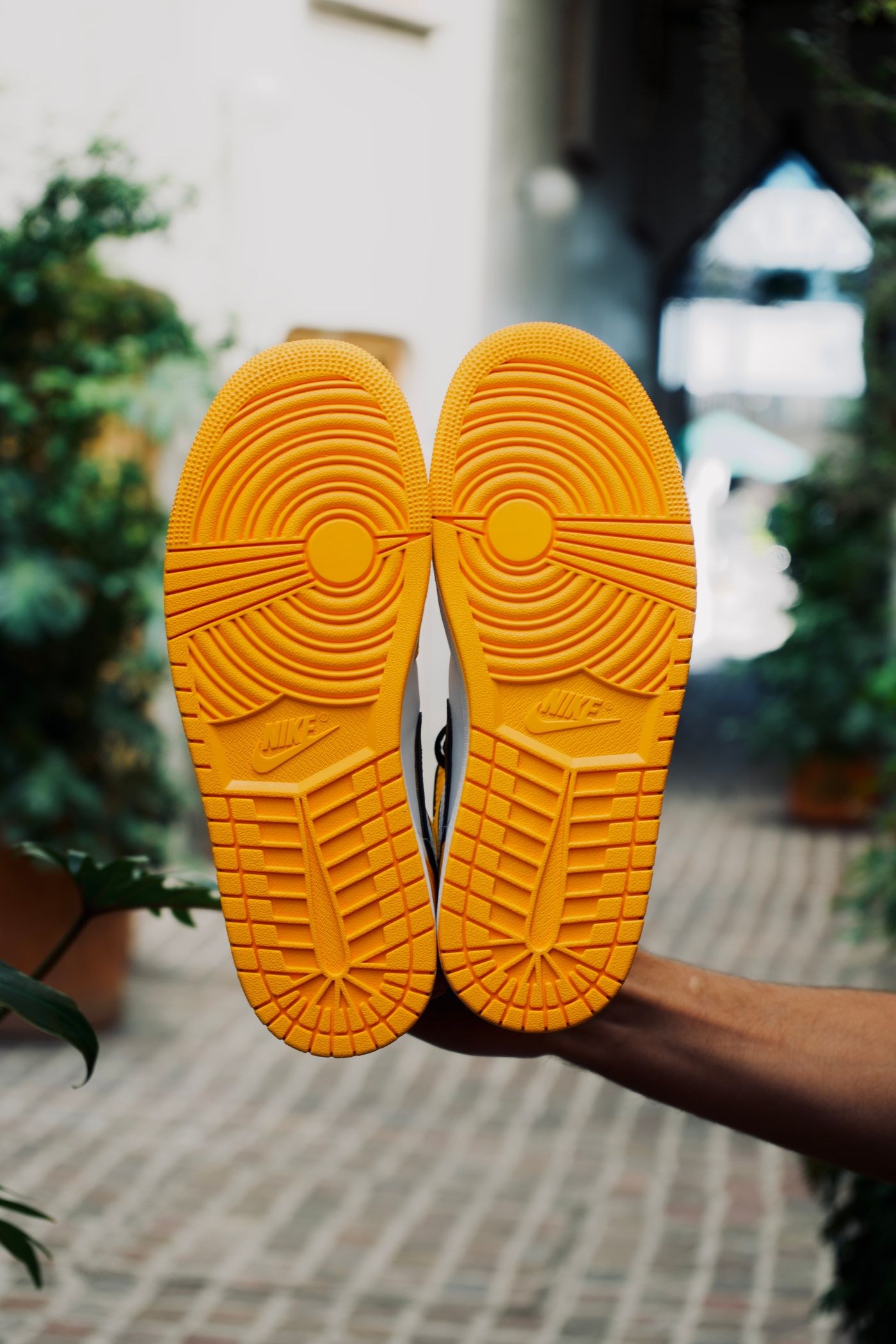
Check the sole for a broad contact area appropriate to the activity and inspect how the upper holds the foot. Deep outdoor lugs are not automatically helpful on an indoor studio floor. Equally, a sole that feels secure indoors has not demonstrated grip on a wet promenade. Keep the intended surface in mind.
Feel inside for raised seams or a folded liner. Make sure the fastening can be adjusted without leaving long loose loops. If you use prescribed orthoses or have persistent foot symptoms, take individual advice about footwear rather than choosing by online category alone.
Before buying, check the retailer’s returns rules, especially whether indoor try-on is allowed and what counts as wear. Keep the box and paperwork until you are satisfied with the fit. Do not deliberately scuff shoes outdoors and assume they can still be returned as unused.
Price, colour and brand can narrow a shortlist, but they cannot correct a poor fit. Record the model, size and width you tried, along with the movement that felt wrong or comfortable. Those observations make a second comparison more useful than relying on the first few seconds of softness.