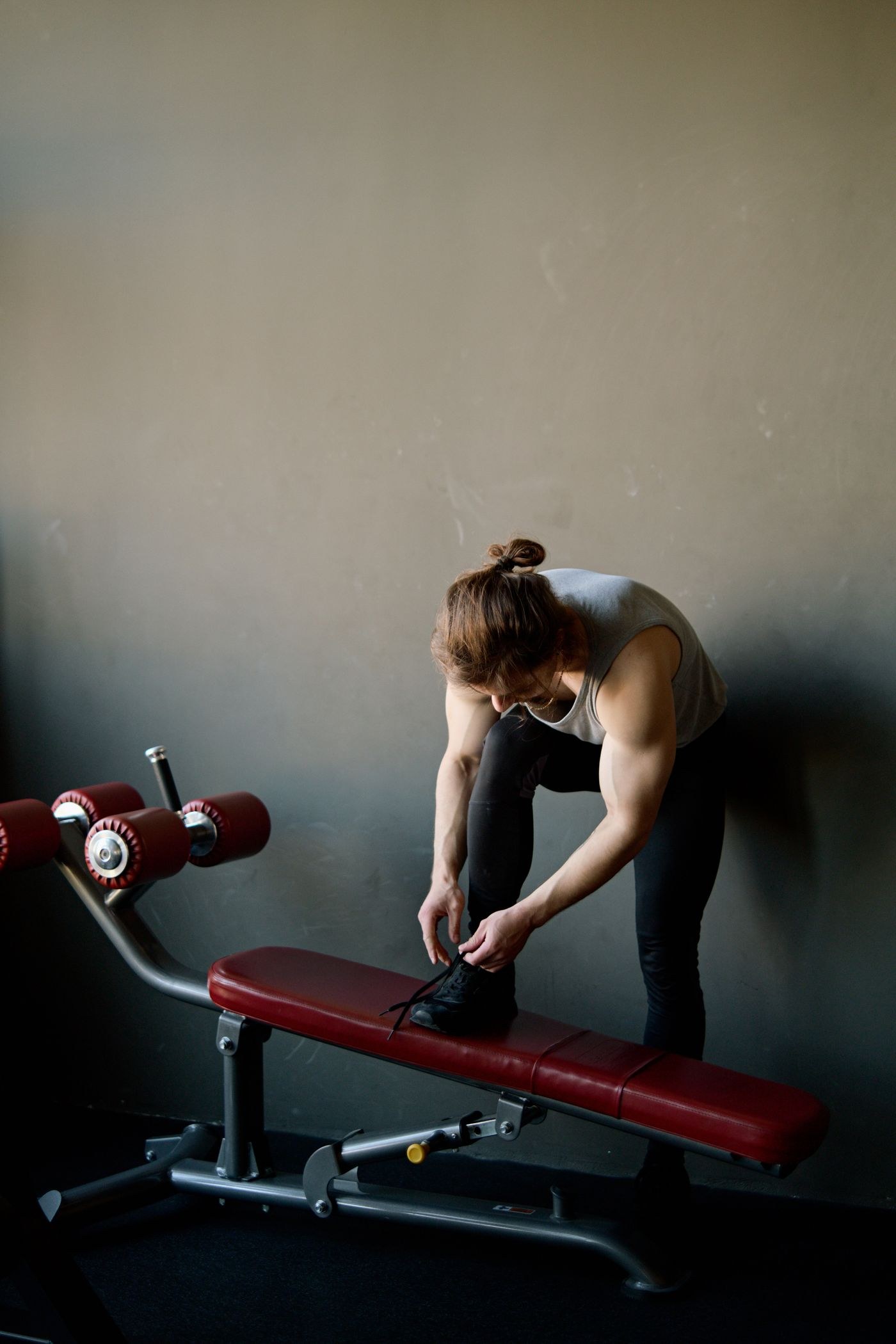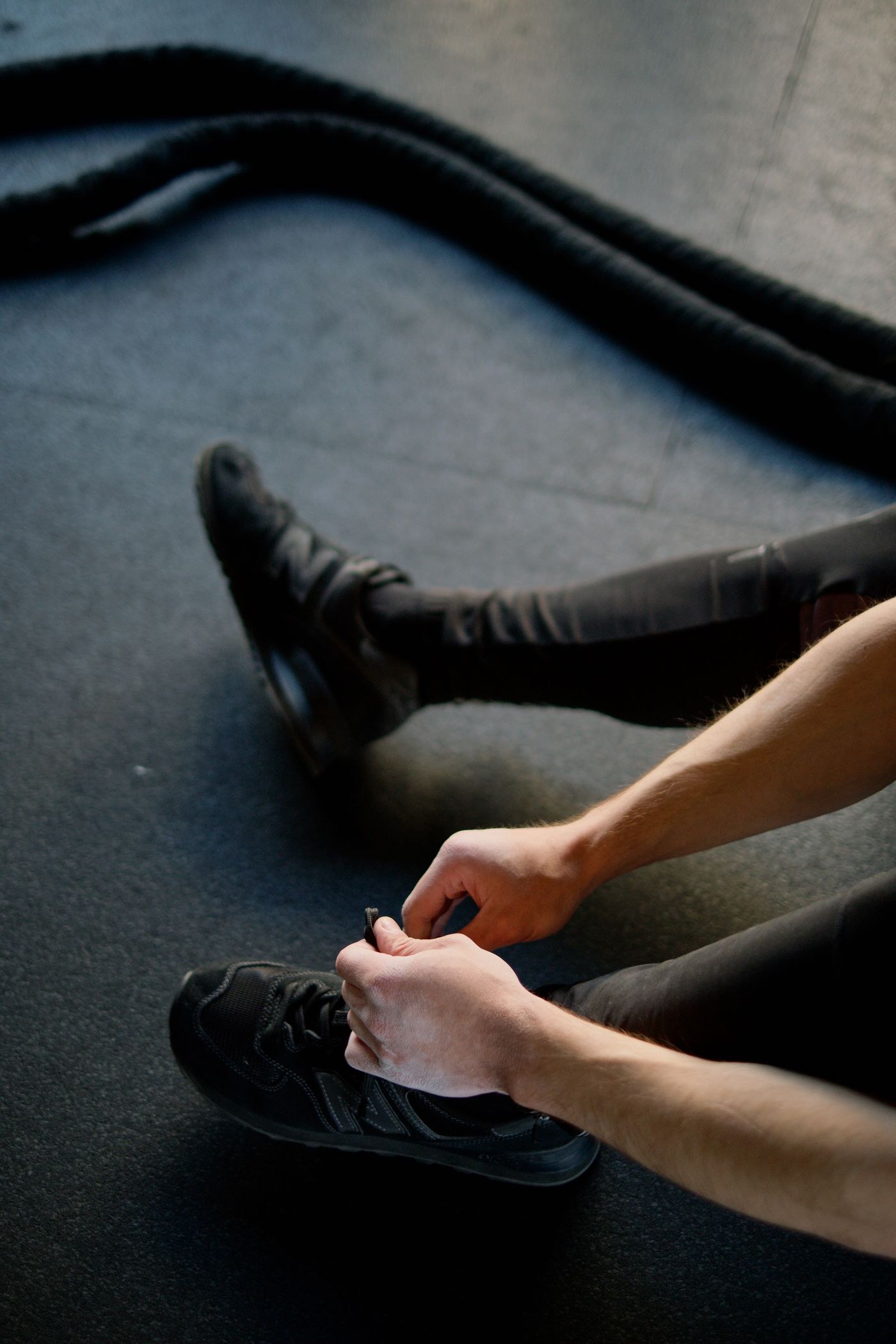
Training kit
Shorts need enough room for movement without leaving fabric, drawcords or pocket contents in the way.
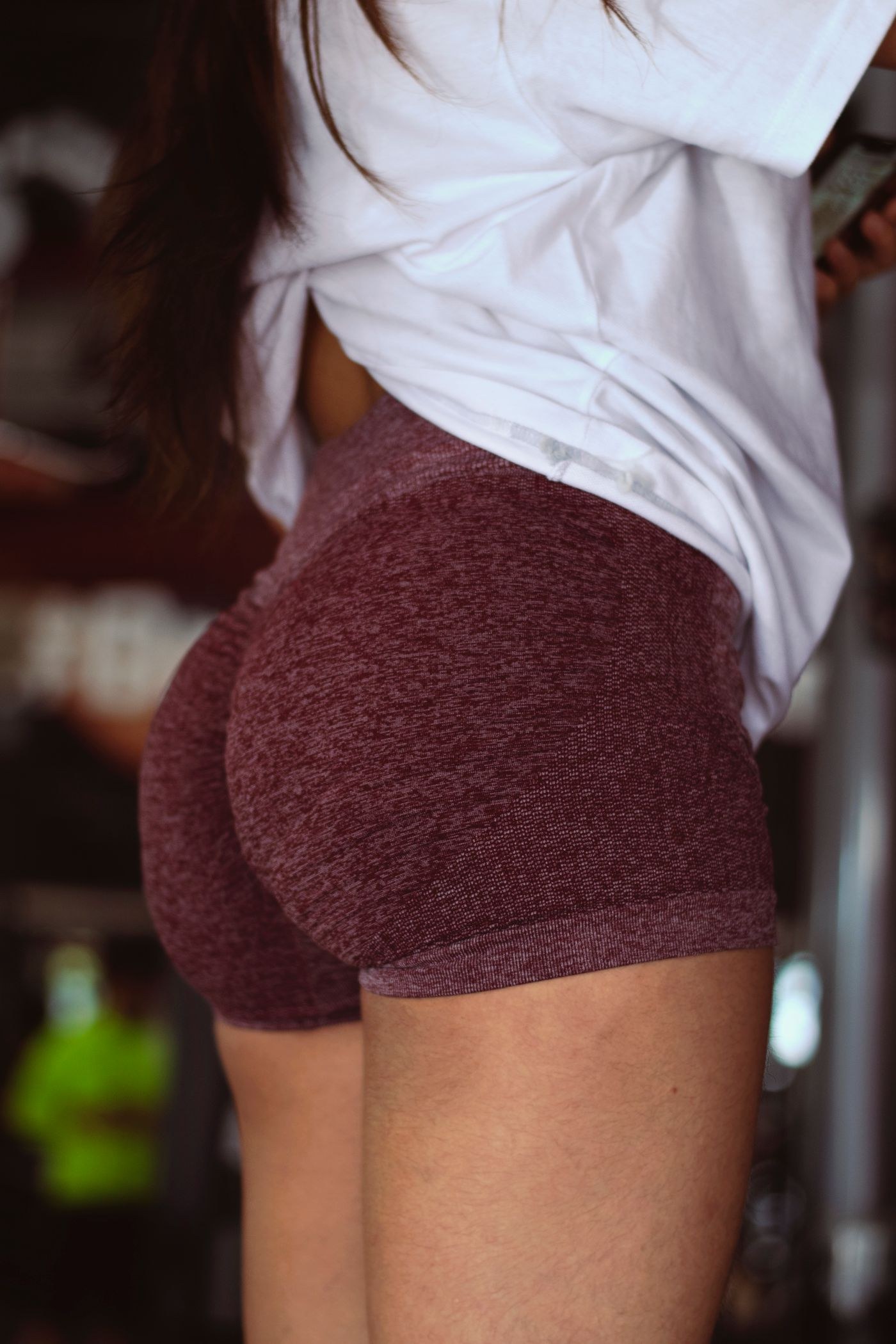
Try a comfortable bend, seated position and step rather than judging the fit only while standing. Check whether the hem catches across the thigh or the waistband pulls down. A longer leg may provide the coverage you prefer, but it can also restrict movement if the cut is narrow.
Look at side splits, stretch panels and seams. These features can change how the garment moves, but their usefulness depends on the activity. A pair designed for running may feel different during floor exercises or repeated changes of position. Try the movements that matter to you within the shop's fitting rules.
An integrated liner reduces the number of separate garments, but its shape and seams need to suit you. Check whether it bunches, presses or rubs during movement. A liner that feels wrong cannot always be solved by choosing a larger outer short.
If you prefer separate underwear or fitted undershorts, try the combination together. Extra layers can change warmth and fit. Avoid buying a size based on how the shorts feel over everyday clothing rather than the garments you will actually train in.
A drawcord should adjust securely without leaving long loose ends near equipment. Make sure the waistband is comfortable when sitting or bending, not just while standing with an empty pocket. Put a realistic item in any pocket you intend to use and see whether it swings or pulls.
Zipped pockets can help retain small essentials, but a hard zip or key may be uncomfortable during floor work. Consider storing belongings elsewhere during class. Read washing and drying instructions, especially for lined designs that may dry at different rates in different areas.
Start with one pair that matches your usual session rather than buying several because the fabric feels light in your hand. During early use, notice repeated adjustments or rubbing and use those observations for the next purchase. Clothing should support the movement you choose; you should not have to shorten every step to accommodate a restrictive hem.