Training kit
A second-hand price is only useful if the equipment can be identified, inspected, transported and used as intended.
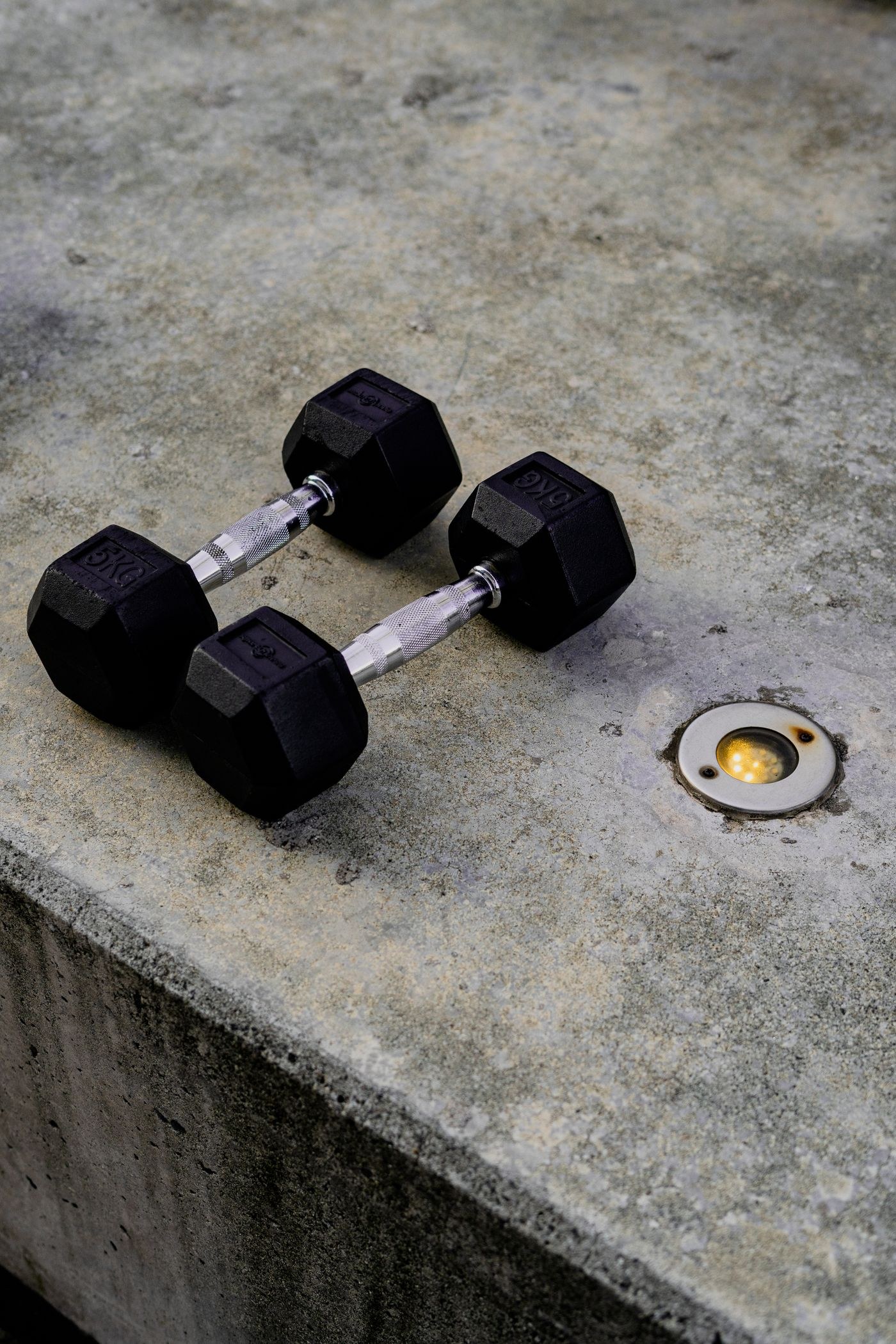
Ask for the manufacturer, exact model and clear photographs of labels, serial numbers and any accessories. A broad description such as adjustable dumbbells or folding treadmill is not enough to find the correct instructions or safety notices. Check that photographs show the actual item rather than a catalogue image.
Find the manufacturer's manual and search current product-safety alerts and recalls. Where a notice applies, follow the stated remedy and do not assume that a seller's verbal reassurance resolves it. Ask whether the item has been modified, repaired or fitted with replacement parts, and request details you can verify.
Missing identity information is a reason to pause the purchase. If you cannot establish which model it is, you may not be able to check its limits, compatible parts or recall status. A low price does not compensate for that uncertainty.
Where possible, inspect the item in person before paying. Look for cracks, corrosion, loose joints, damaged cables, missing fasteners and signs of improvised repairs. On adjustable equipment, check the complete mechanism and all supplied parts against the instructions. Do not lift an uncertain assembly overhead to test whether it holds.
For powered or complex equipment, a brief demonstration does not establish electrical or structural safety. Consider assessment by a suitably qualified person and the manufacturer's support options. Do not bypass a safety key, guard or interlock because the seller says it is inconvenient. Avoid buying an item you cannot inspect adequately for its intended use.
Soft and elastic items deserve their own scrutiny. Bands can deteriorate with age and storage, while padding can conceal damage beneath a cover. If condition cannot be established or the manufacturer recommends replacement, a new simple item may be the more sensible choice.
Add collection, transport, assembly, missing parts and any necessary servicing to the price. Measure doorways, stairs, the operating area and storage space. A machine may fit in the room but leave no safe clearance around it. Check floor requirements and ask appropriate professionals about building suitability when needed.
Plan how the item will be moved without attempting a lift beyond your capacity. Do not rely on the seller being available to carry it or on the equipment fitting into a vehicle based on a photograph. Disassembly and reassembly must follow the model's instructions; some parts may need specialist handling.
Retain the listing, receipt, model details and any written description of condition. Understand who is selling the item and the terms of the transaction before paying. The practical ability to return an unsuitable purchase can differ substantially between sellers.
After transport, inspect the equipment again and assemble it exactly as directed. Parts can shift or be lost during a move. Do not start using it until the setup, instructions and safety checks are complete. Register the product with the manufacturer where that option is available so relevant safety information can reach you.
A good used purchase is one whose history and condition you can understand well enough to make a considered decision. If essential questions remain unanswered, walk away. There will be other equipment, and the cheapest listing is not always the lowest-cost way to start training.