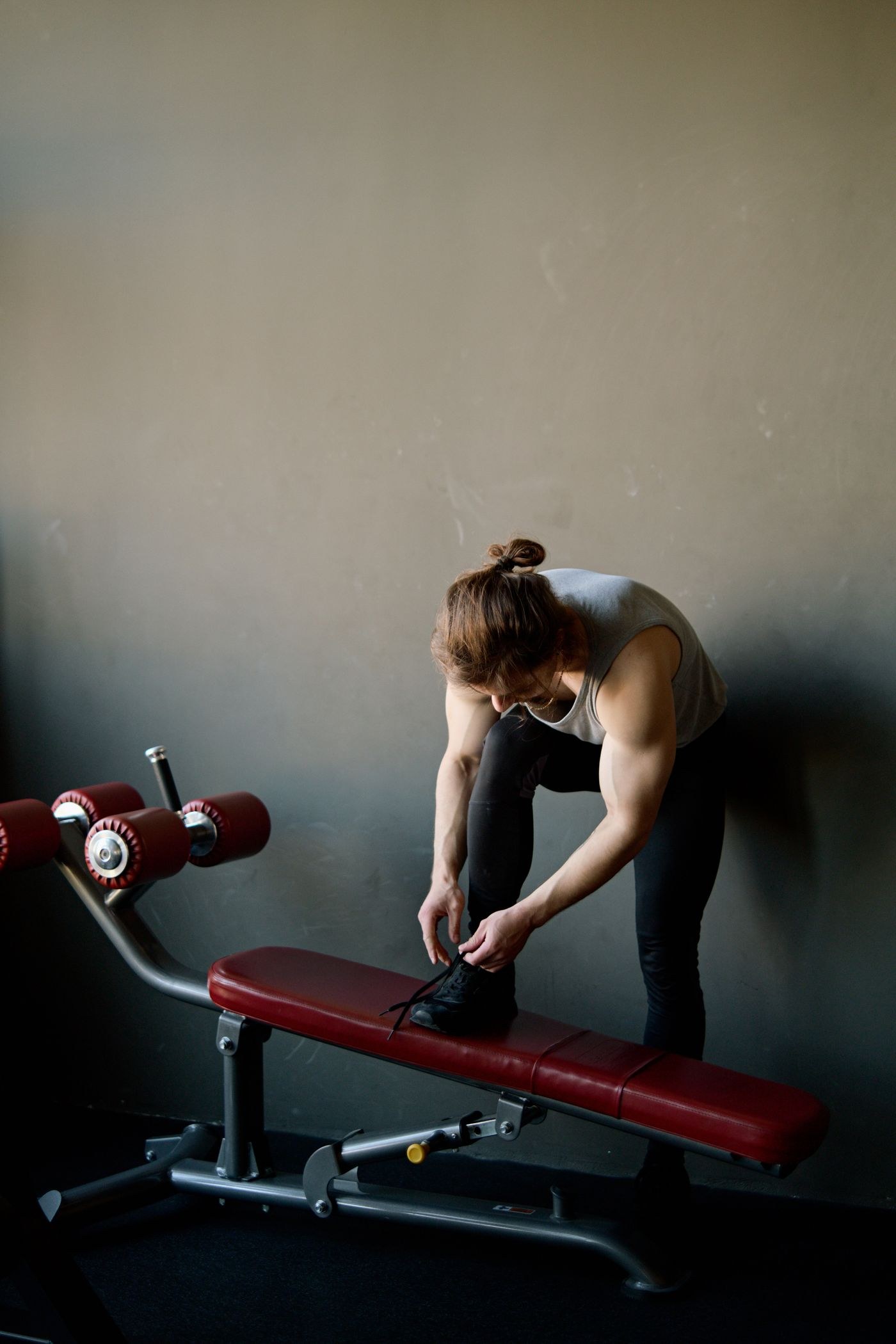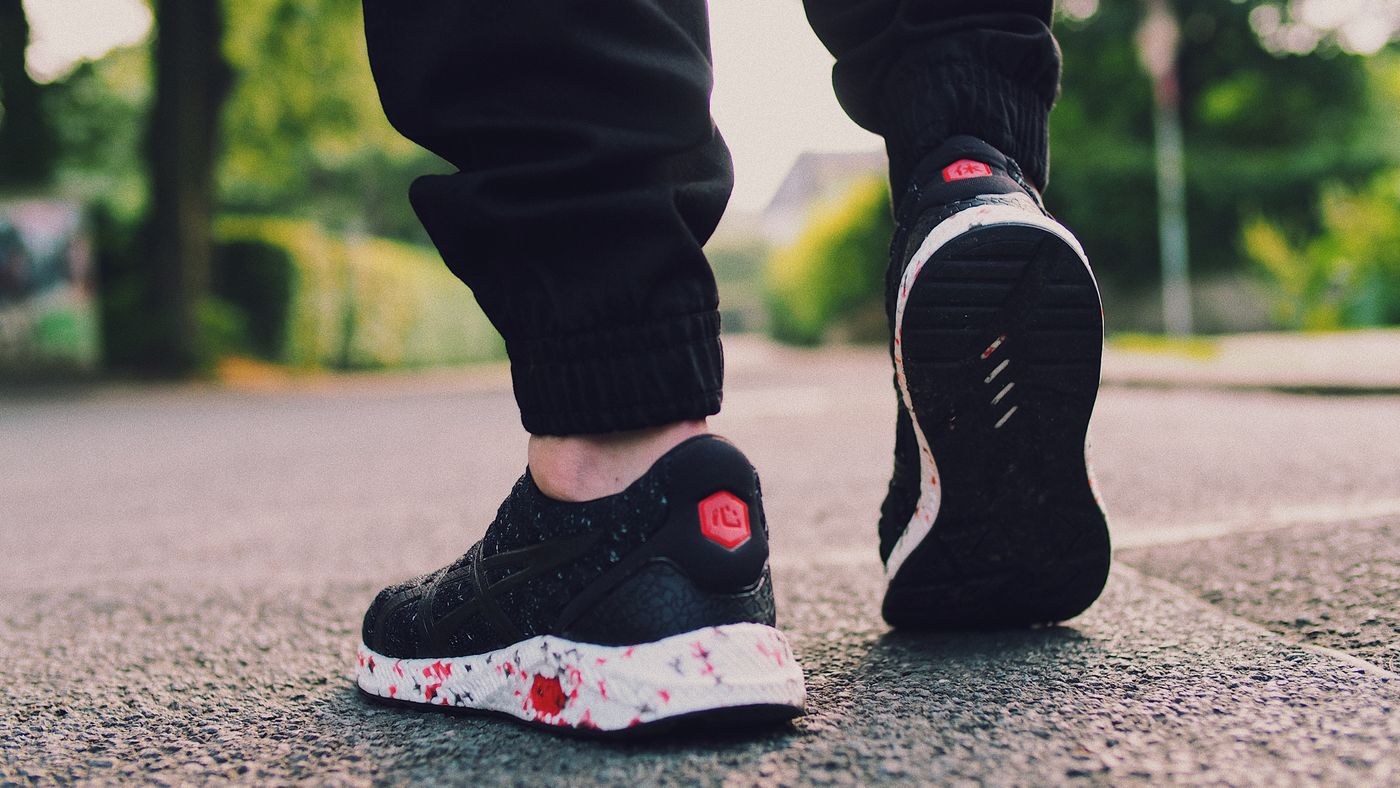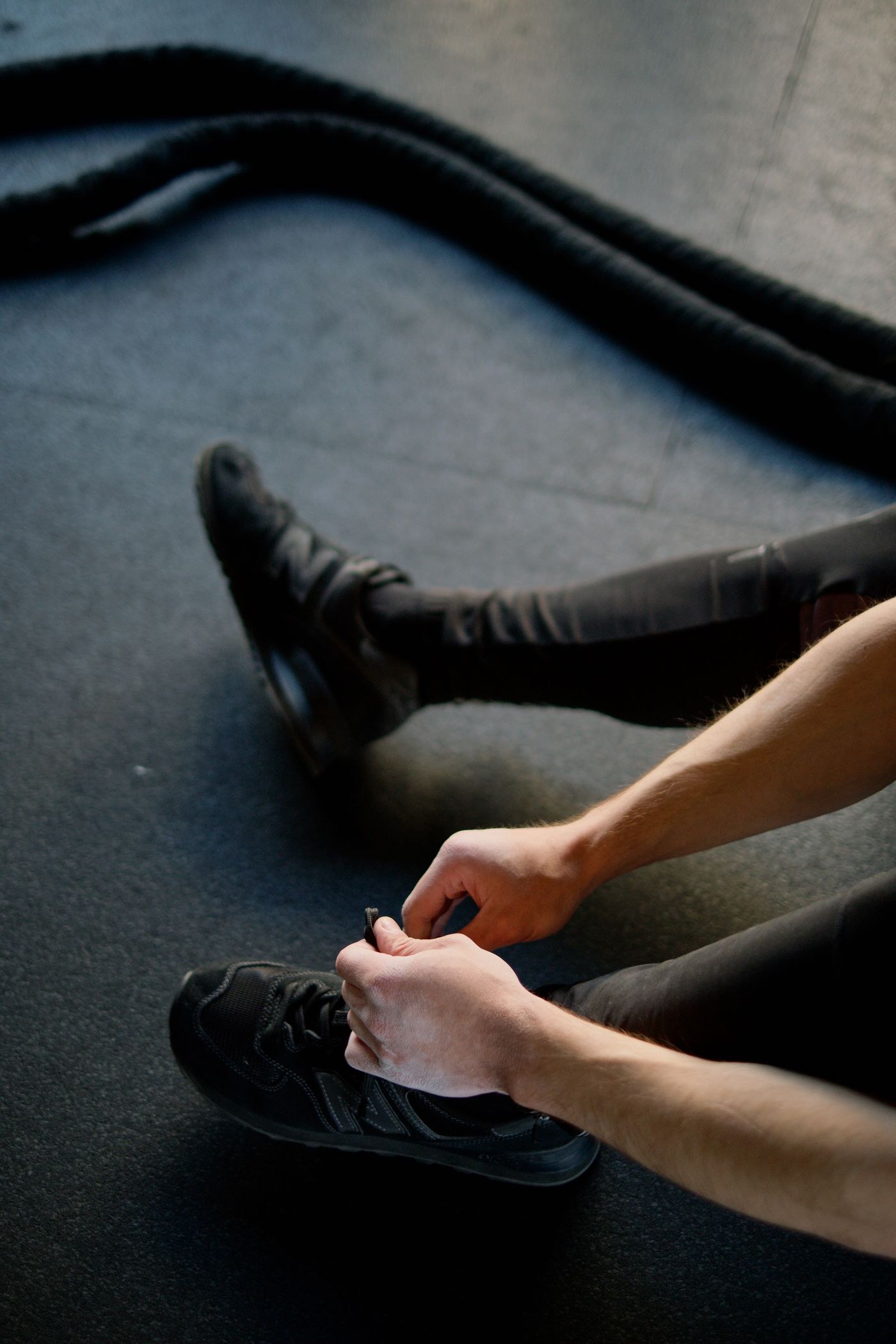
Training kit
A training top should suit the temperature of the room, the movements in the class and the way you prefer clothing to fit.
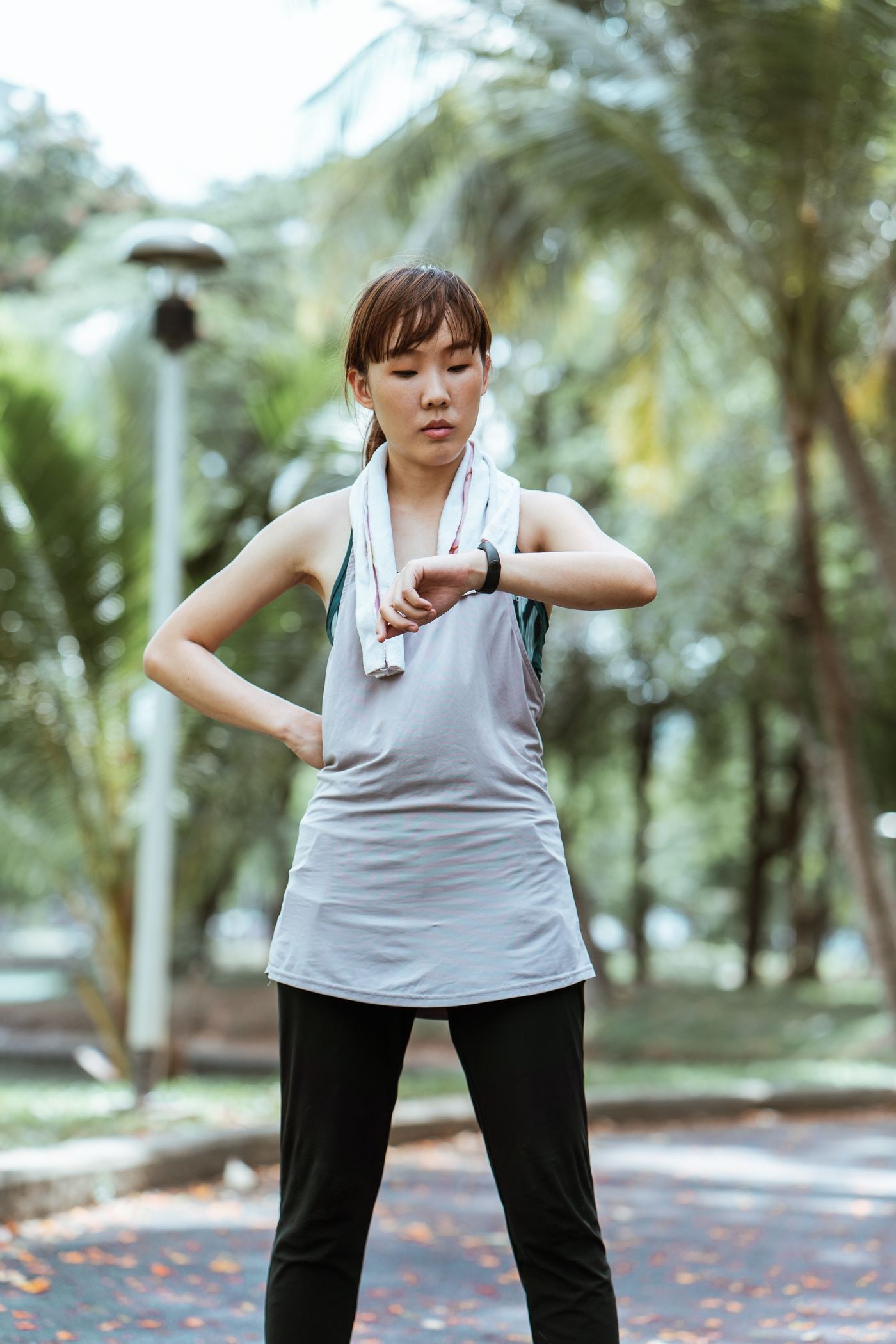
Breathable and moisture-wicking are useful descriptions to investigate, but they do not tell you everything about comfort. Fabric weight, construction, fit and drying time all play a part. A lightweight top that clings or twists may be less pleasant than a slightly heavier one that moves easily with you.
Consider the room where you normally train. A cool studio and a warm, crowded hall may call for different choices. You may prefer a removable outer layer for arrival rather than a thick top that you cannot adjust once the session begins.
Raise your arms, bend and sit in the garment during fitting. Notice whether the hem rides up more than you want or whether the neckline shifts uncomfortably. Check underarm seams and labels, particularly if you will repeat arm movements.
A loose cut can allow airflow, but very loose fabric may fall towards the face in some floor positions or catch on equipment. A close fit should not restrict comfortable breathing or reaching. Try the top with the sports bra or base garment you normally wear, since straps and seams can interact.
Read the washing label and consider how often you need the top ready again. A garment that requires a long drying period may be awkward if you attend sessions on consecutive days. Avoid using fabric treatments or high heat that the maker advises against, even if another sports top tolerates them.
Check whether the fabric is comfortable after it becomes damp, not just when new and dry. You can learn this during normal use once you have decided to keep it; do not treat a retailer's return policy as permission for a workout trial. Keep a spare dry layer for the journey home when appropriate.
There is no need to replace every everyday T-shirt before your first class. Start with clothing that allows the required movement and meets the venue's requirements, then identify a specific problem before buying. A clearer need, such as an irritating seam or slow drying, makes the next comparison easier.