Getting started
A timer, a class partner or a booked session is never a reason to ignore symptoms. Know how to stop, get attention and distinguish urgent help from a later coaching question.
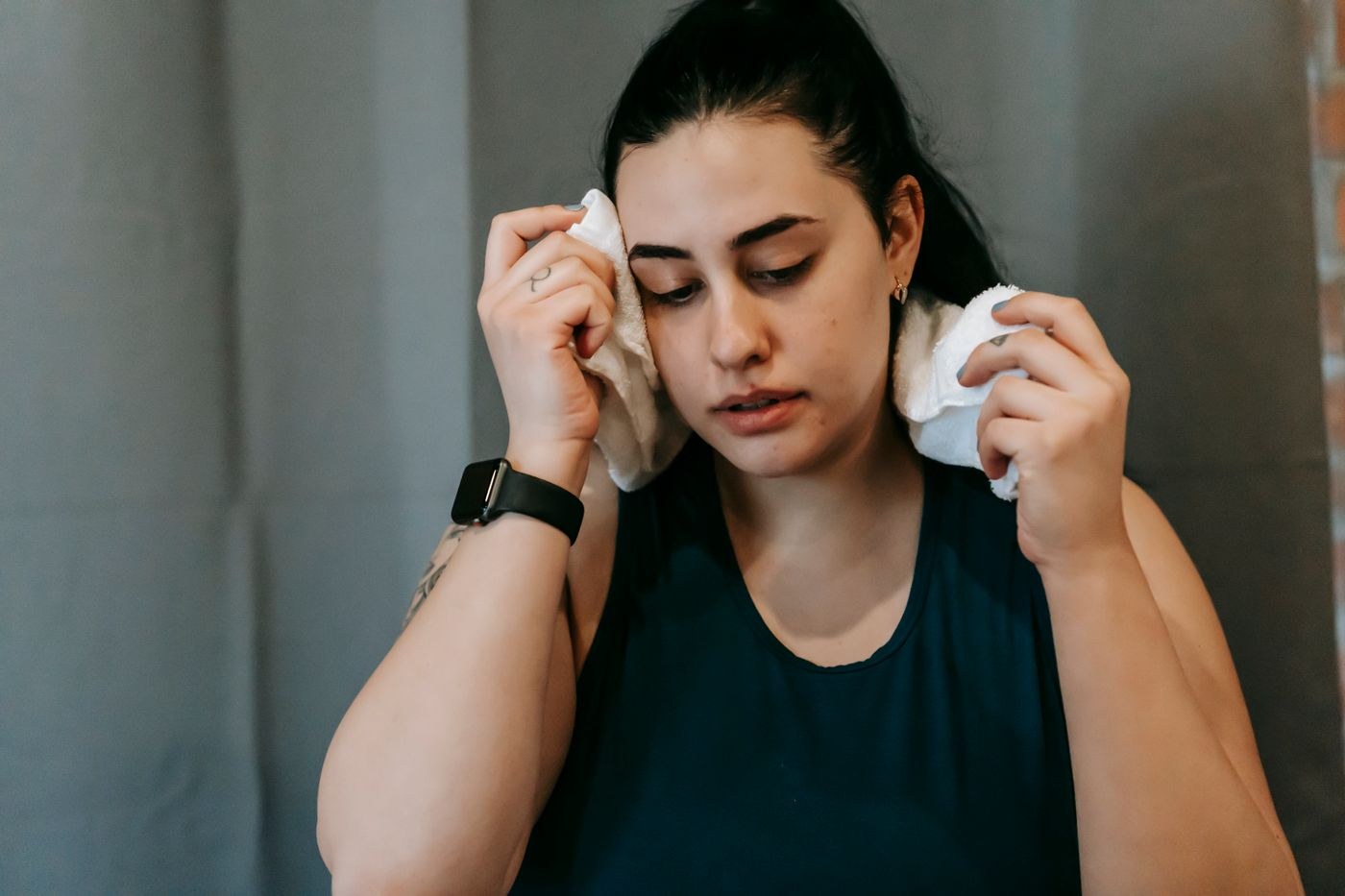
If you develop pain, dizziness, feel faint or become unexpectedly unwell during exercise, stop the activity. Put equipment down safely if you can and tell the instructor or another person nearby. Do not walk away alone to hide the interruption, and do not try another demanding exercise to see whether the feeling disappears.
Describe what happened in ordinary terms: where the symptom is, when it began and what you were doing. You do not need to decide whether it is muscular, cardiac or something else. A coach can help organise the immediate response, but cannot diagnose the cause from the side of a studio.
In the UK, call 999 for sudden chest pain or discomfort that does not go away, pain spreading to an arm, neck, jaw, stomach or back, or chest pain accompanied by sweating, sickness, lightheadedness or shortness of breath. These are warning signs listed by the NHS and need immediate assessment. Do not drive yourself to hospital or wait for the class to finish.
Severe breathing difficulty, collapse or another apparent medical emergency also requires urgent help. Tell the call handler the location and follow their instructions. If you are at an outdoor class, the precise meeting point and access route can be important. Venue staff should know their emergency arrangements, but anyone can call for help when it is needed.
Chest pain that comes and goes, or resolves quickly but remains concerning, still warrants medical advice. The NHS advises seeing a GP in those circumstances. For other symptoms that persist or concern you, use NHS 111 or an appropriate healthcare professional; choose 999 when the situation appears life-threatening.
Avoid using an online checklist or a fitness watch reading to rule out a problem. A normal-looking heart-rate number does not explain pain or dizziness. Likewise, being young or having completed the same session previously does not establish the cause of a new symptom.
If advice is needed before resuming, follow it rather than simply choosing a lighter version at the next class. Tell the instructor about relevant restrictions or changes without feeling obliged to discuss private medical details in front of the group. The return plan may differ from the session you originally booked.
Not every pause is a medical event. You can also stop because the instructions are unclear, equipment feels unstable or you need more recovery. Those are reasons to ask for coaching help. The distinction is that unexplained symptoms should not be treated as a technique puzzle to solve by pushing through or swapping exercises.