Getting started
The most suitable first class is one where you can understand the instructions, adjust the work and return without the timetable becoming a struggle.
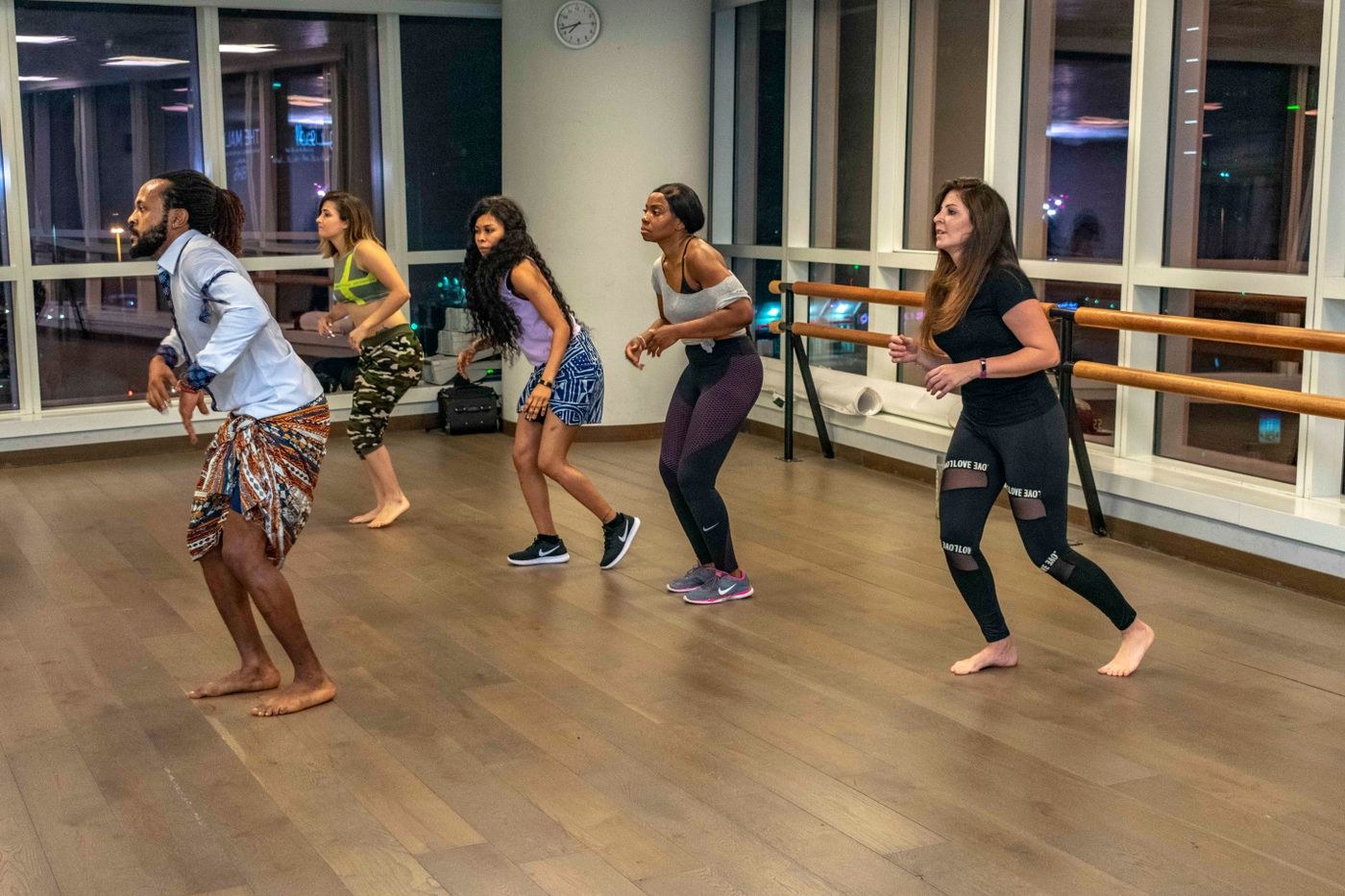
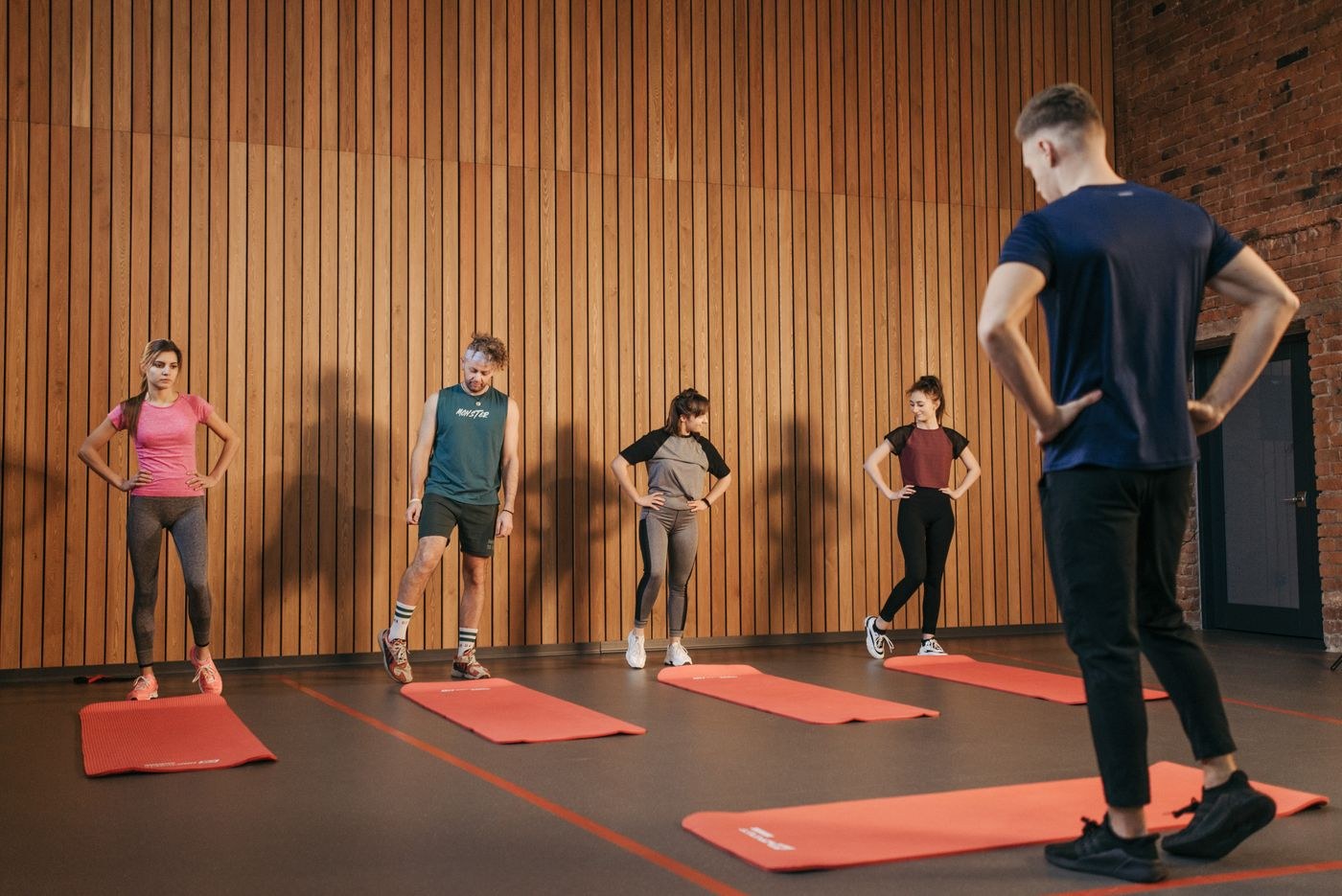
A class called beginner, foundations or low impact can still mean different things at different venues. Ask what participants actually do: whether the session includes floor exercises, jumping, weights, rapid changes of station or choreography. An answer describing the movements is more useful than a promise that the class is suitable for everyone.
Find out how new participants are introduced. A demonstration before each exercise, time to practise and an instructor who can see the whole room are useful features. If the session depends on following other participants without explanation, it may be less helpful while you are learning the basics. You do not need to know the exercise names before asking these questions.
Consider whether you prefer a small group, a slower teaching pace or a clear individual station. Someone who feels comfortable walking but has never used dumbbells may need more guidance with equipment than with aerobic activity. Another person might know the movements but want a quieter environment. These are different needs, and a single fitness label will not explain them.
Ask how alternatives are offered. For example, can you remain standing when others move to the floor, or perform a controlled stepping exercise instead of jumping? The instructor should be able to explain the process without promising that every movement will suit every body. If you have a health condition, symptoms or uncertainty about exercise suitability, get advice from a healthcare professional as well as discussing the class with its organiser.
A brief introductory appointment can sometimes answer more than a crowded trial. Check whether it is included, whether there is a charge and whether attending it commits you to anything further. Keep the decision about membership separate from the decision to try one session.
Suppose one class is close to work and uses fast station changes, while another is farther away but includes a slower introduction. Compare the trade-offs explicitly. Ask the first provider whether an induction or a fixed station is possible; ask the second whether the journey still leaves you enough time to arrive calmly. The answer may make one option clearly more workable without needing to rank the venues in general.
If you are unsure, use a single-session booking where available and give yourself a narrow question to answer: can I follow the transitions, or can I hear the instructions from a suitable place? A trial becomes more useful when it tests an actual uncertainty. If the answer is no, you can seek a different format rather than interpreting the experience as evidence that all group exercise is unsuitable. Keep a note of the specific arrangement that helped or hindered you so the next enquiry is more precise.
Count the whole visit, including travel, changing and the journey home. A nearby class at a realistic hour may be easier to sustain than an ideal-looking session requiring an awkward connection. Check the cancellation deadline and whether you can book individually before committing to a block.
After the first visit, assess the teaching rather than how exhausted you feel. Could you hear the instructions? Did you know when to rest? Were questions welcomed? Could you describe one movement more clearly afterwards? Those observations tell you more about the learning environment than sweat or soreness, neither of which is a reliable measure of whether a class was a good choice.