Around Bournemouth
Planning a walk through Bournemouth Lower Gardens
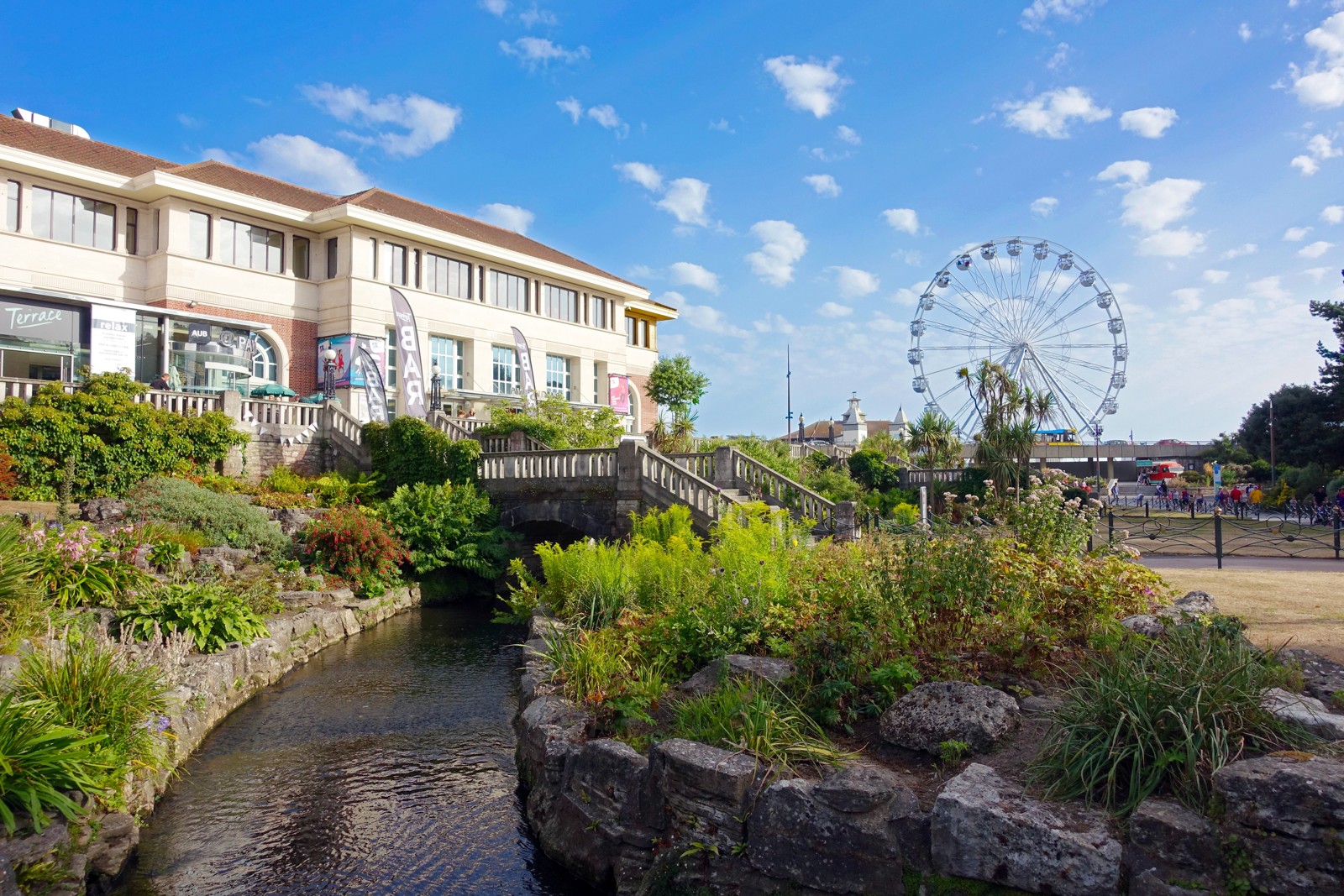
Read the articlePhoto: Tiia Monto / CC BY-SA 3.0 · Source · Licence · Cropped/resized.
Bournemouth's garden corridor does not have to be walked from end to end. Choose a short section of the Central or Upper Gardens that fits your day.
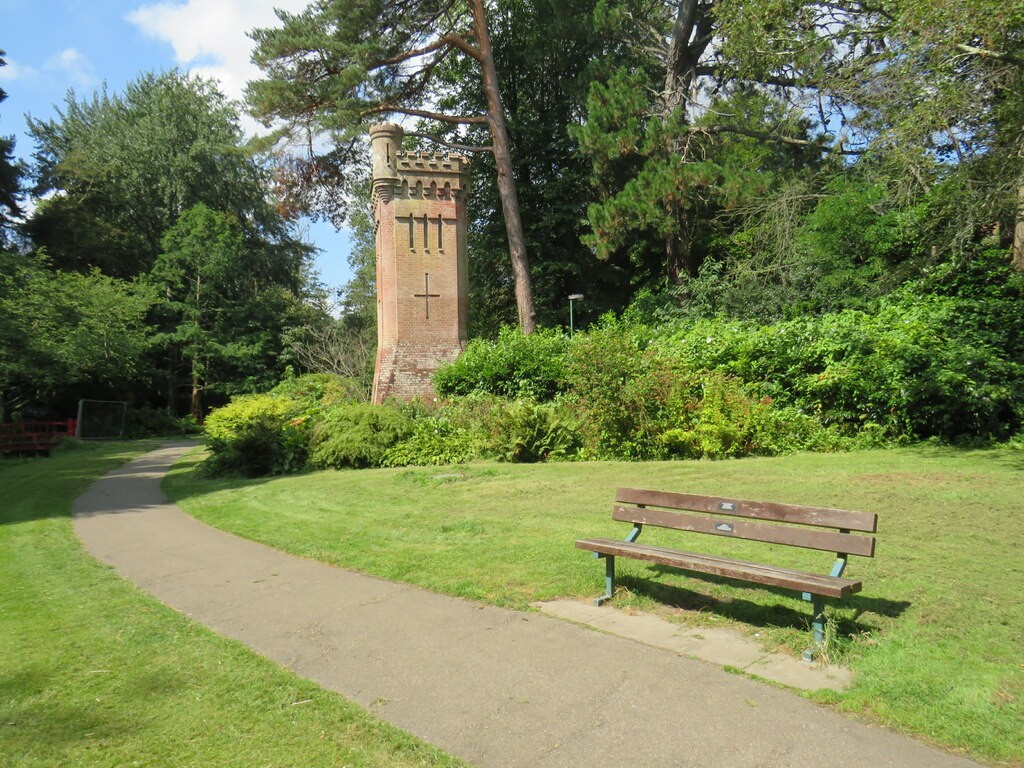
Photo: Malc McDonald / CC BY-SA 2.0 · Source · Licence · Cropped/resized.
The Lower, Central and Upper Gardens form distinct parts of Bournemouth's green spaces. A map helps you understand how they connect, but a continuous green corridor is not an instruction to cover all of it. Choose an entrance and a nearby turnaround or loop that you can identify easily.
Think about the journey to that entrance. A short garden walk may become a longer outing if you start far away or return by a different road. Include time for crossings, pauses and the walk back to transport. An out-and-back route can be useful when you want to control the duration.
BCP's history of the gardens describes the war memorial in the Central Gardens and meadow walks and seating areas in the Upper Gardens. A feature of interest can give a short walk a purpose without requiring a fixed pace or a complete circuit.
Check current signs and access rather than using historical information as a route guarantee. A feature may be reached by more than one path, and the shortest route on a map may not be the most suitable for you. If steps, gradients or path width matter, seek details about the specific approach.
Allow time to look around. If you are walking with a companion, a short route with pauses may be more enjoyable than trying to match a fitness-app estimate. You can increase the distance on another visit once you know the terrain and realistic timing.
Inspect paths after rain and watch for leaves, uneven areas or temporary works. Keep to permitted routes and avoid cutting across wet ground to shorten the walk. A garden path can be sheltered without being dry or level everywhere.
Share the space with other visitors. Slow down near children, dogs, narrow sections and people stopping to look at planting. If you want a faster walking section, choose a suitable clear stretch rather than weaving around others. Do not turn seating or landscape features into exercise equipment.
Keep the first visit modest enough that the return feels comfortable. Note the entrance, the point where you turned and any facilities you actually used. Check their current availability next time if they are essential, rather than assuming that an open café or toilet will always be available.
A familiar section can become a lunchtime break, a meeting with a friend or a gentle addition to a town visit. You do not need to extend it each time to make it worthwhile. If time is limited, shorten the route before you start instead of walking faster on the return.
The advantage of choosing a section is flexibility. You can explore another part of the gardens on a different day while keeping today's outing within your available time, current comfort and weather conditions.
Around Bournemouth
Photo: Tiia Monto / CC BY-SA 3.0 · Source · Licence · Cropped/resized.