
Around Bournemouth
Planning a walk through Bournemouth Lower Gardens
Read the articlePhoto: Tiia Monto / CC BY-SA 3.0 · Source · Licence · Cropped/resized.
The seafront can feel very different from a sheltered town-centre street. Choose the section and duration around conditions at the coast.
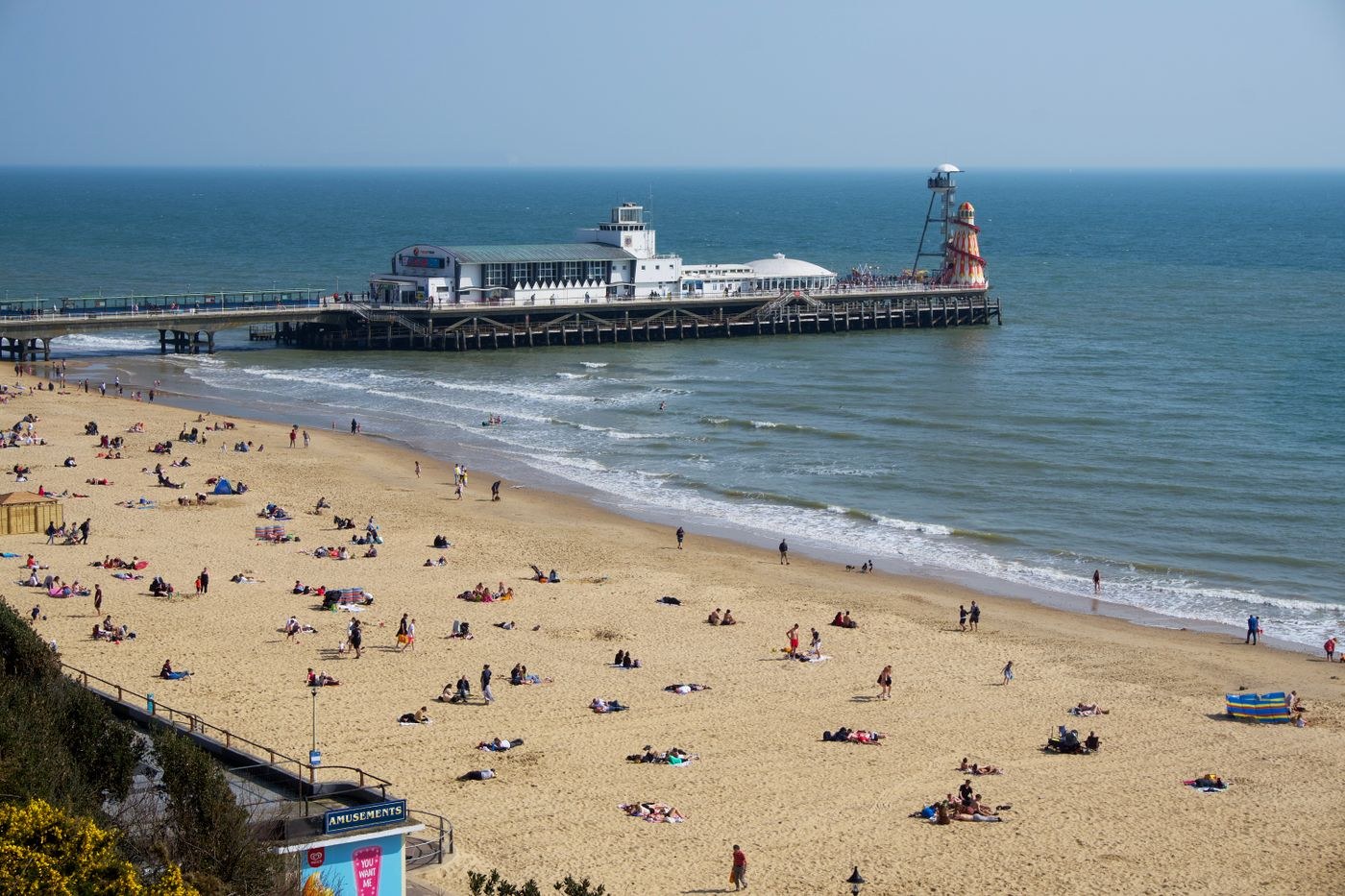
Check the local forecast, wind and weather warnings before leaving. A mild temperature does not necessarily mean a comfortable exposed walk, and strong sunshine can matter even when a breeze feels cooling. Include the period of your return rather than looking only at the departure hour.
Choose a route that lets you turn back easily. On a first outing, a short promenade section with a known access point can be more manageable than committing to a long one-way coastal walk. Decide how you will leave the seafront if conditions change, and check the approach to that exit on a map.
Think about the return direction. A wind that helps you along one way may make the return more demanding. Do not use the easy outward section to judge the whole outing. Set a turnaround time that leaves a margin for slower walking and pauses.
Sand, water, debris and temporary works can alter the surface. Stay clear of barriers and follow local signs rather than assuming yesterday's route remains open. A mat or different shoes will not make an unsafe patch suitable for exercise.
Keep away from cliff edges and the edge of the water, particularly in slippery or windy conditions. RNLI coastal guidance emphasises checking weather and tides and carrying a means of calling for help. Even if your intended route stays on the promenade, be cautious about an unplanned detour onto the beach.
Carry a layer appropriate to the weather and enough water for your plan. Keep the phone protected and accessible when stopped. A cap, hood or headphones should not prevent you from noticing other people or traffic at access points. In strong sun, use suitable protection and consider a cooler time or another route.
Do not depend on a café, toilet or seasonal service being open without checking. If a facility is essential, confirm its current availability before setting out. A shorter walk near a known exit can be preferable to carrying more and more equipment to support an uncertain plan.
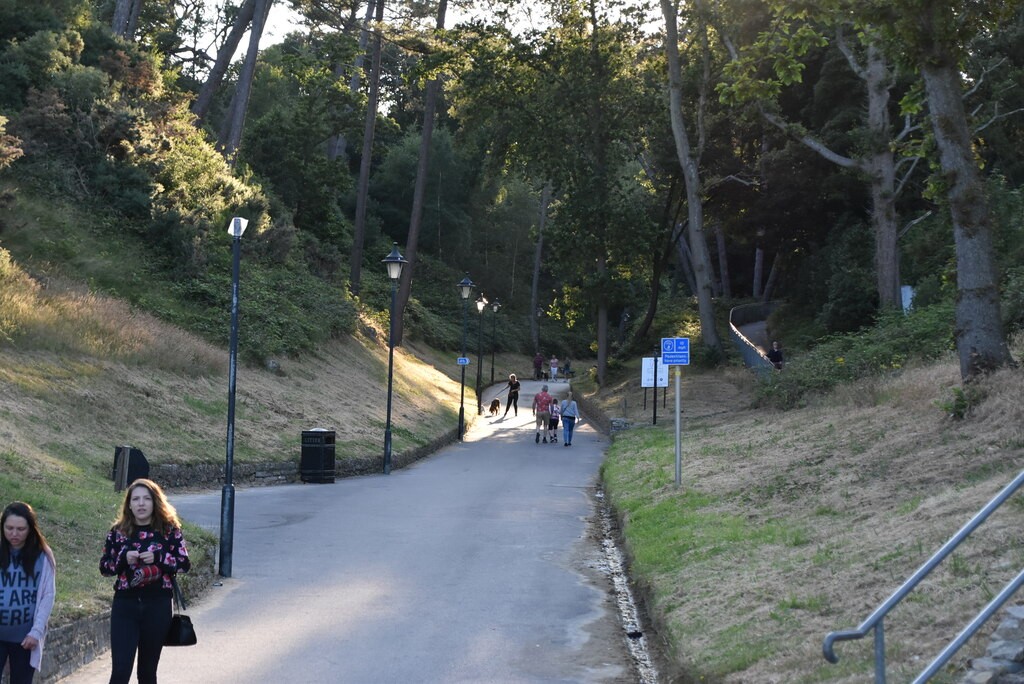
The seafront is not the only way to take a walking break in Bournemouth. If coastal conditions are unsuitable, choose a safe sheltered route or an indoor activity that fits the day. Do not assume that shelter beneath trees is appropriate during strong winds; assess the alternative on its own conditions too.
If you are walking with a group, agree that turning back is an acceptable decision and that nobody needs to keep pace to avoid disappointing others. Tell someone your plan when appropriate and keep the outing within your current comfort and ability.
Afterwards, record the useful practical details: where you entered, how exposed the route felt and which return option worked. This is more helpful for the next visit than chasing a fixed distance regardless of the forecast. The route should fit the weather, rather than the weather being treated as an obstacle to a predetermined target.
Around Bournemouth
Photo: Tiia Monto / CC BY-SA 3.0 · Source · Licence · Cropped/resized.
Around Bournemouth
Photo: N Chadwick / CC BY-SA 2.0 · Source · Licence · Cropped/resized.