Around Bournemouth
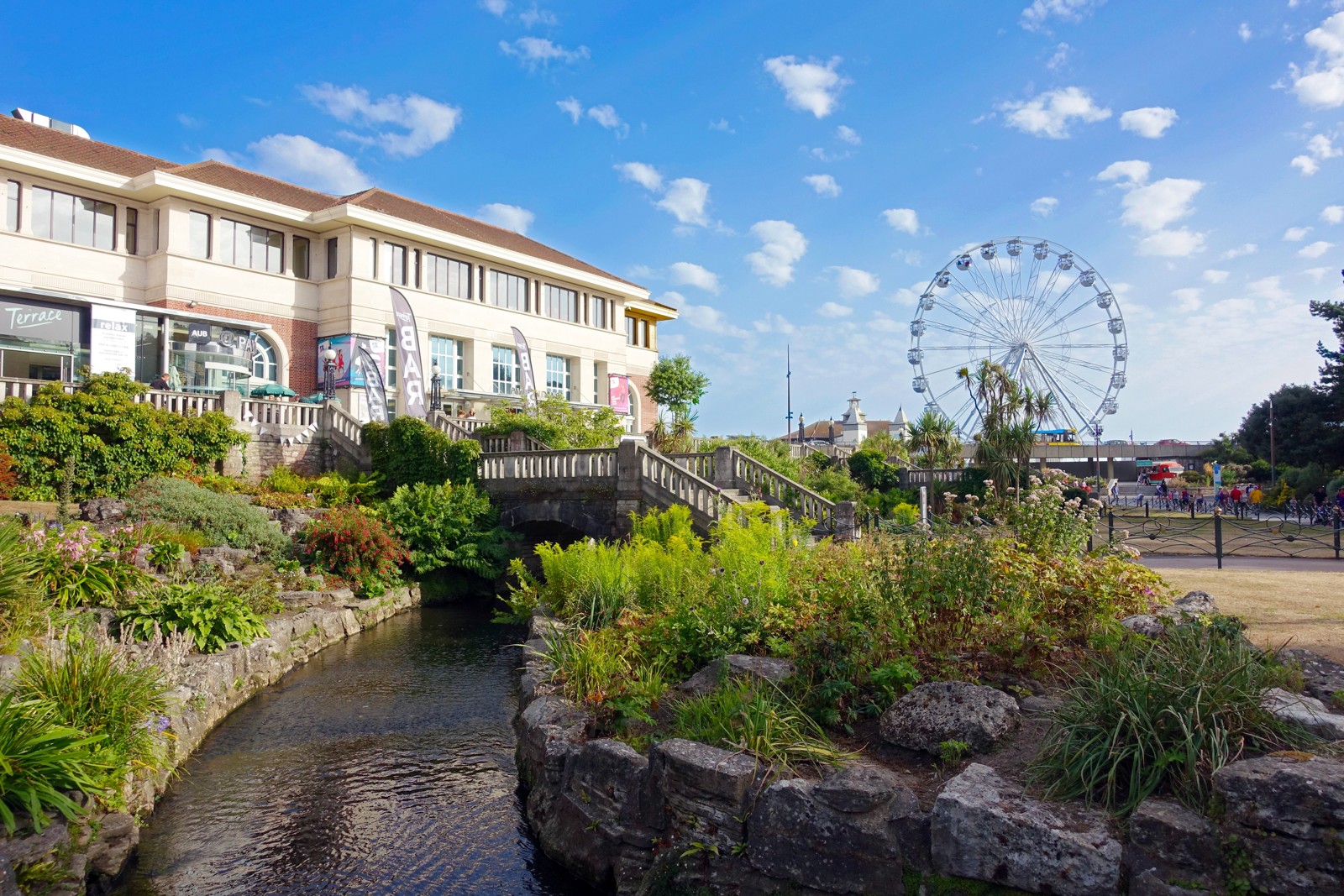
Planning a walk through Bournemouth Lower Gardens
Read the articlePhoto: Tiia Monto / CC BY-SA 3.0 · Source · Licence · Cropped/resized.
Queen's Park combines green space with an active golf course. Choose a permitted walking route and expect the terrain to vary.
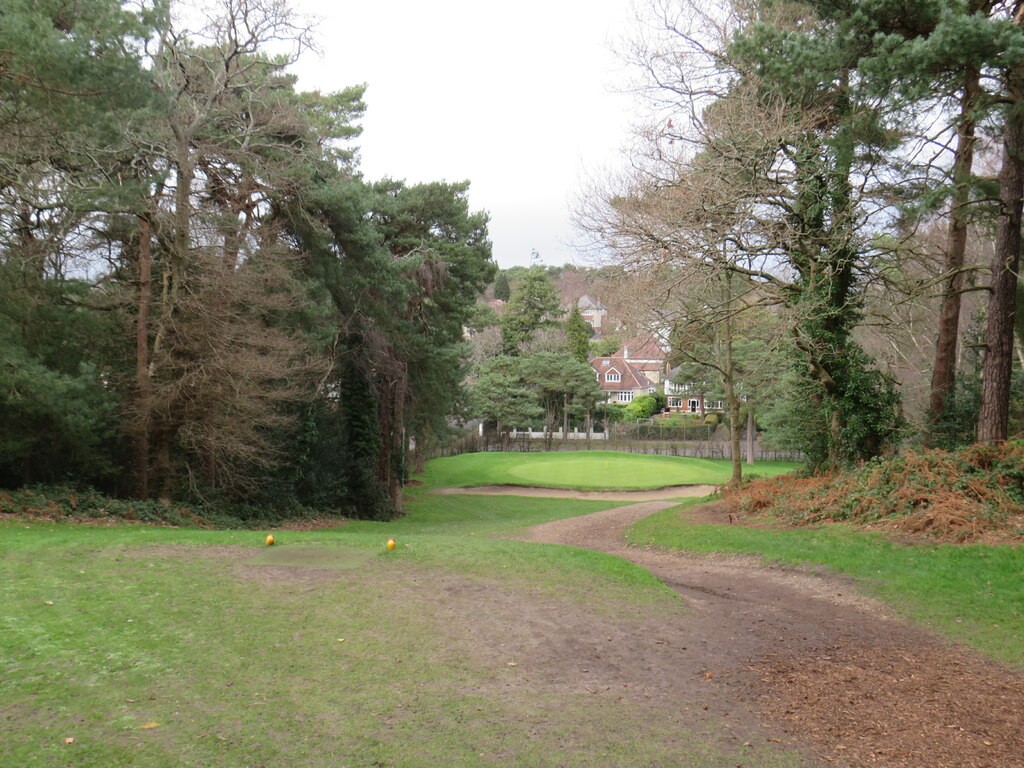
Photo: Malc McDonald / CC BY-SA 2.0 · Source · Licence · Cropped/resized.
BCP describes Queen's Park Golf Course as sitting within one of Bournemouth's larger green spaces. The tourism information describes the course as undulating parkland. Neither description supports assuming that every walk there is flat or equally easy.
Identify a recognised walking route and a clear entrance before arriving. Check current local signs for where walkers should go. A map showing open green space does not mean you can cross any part of it, and the shortest line between two points may run through an active playing area.
If gradients or uneven surfaces affect your choices, seek route-specific information. Ask about the intended path, not simply whether the park is suitable for walking. A short section with a known return may be a better first visit than a loop chosen only from its distance.
Do not walk across a fairway as an improvised shortcut or stop in a place that interferes with play. Follow posted guidance and any instructions from staff. Stay alert to the surroundings rather than wearing headphones that prevent you from hearing a warning.
Keep companions together where the route requires it and avoid spreading across an area used by other people. If you bring a dog, follow the current local rules and keep it under appropriate control. Do not assume that a large open area is an unrestricted exercise field.
After rain, grass and shaded paths may be wet or slippery. Inspect the route on arrival and choose footwear for the actual surface. If a section is muddy or closed, follow an approved alternative rather than widening the route across surrounding ground.
Allow extra time for slopes and for checking directions. A walk that looks short on a map can take longer when you pause or choose a more suitable path. You do not need to maintain a brisk pace through every section for the outing to be useful.
Set a turnaround point or time before you begin, especially on a first visit. Check the route back to your arrival point so that returning does not require an unfamiliar climb or crossing. If you plan to use a café or other facility, confirm its current availability separately.
Carry essentials in a light bag and leave training equipment at home unless you have confirmed a suitable permitted place to use it. A walking visit does not need added weights or stations to count as activity. Enjoying a manageable route is a sufficient purpose.
Record the entrance and path that worked for you, along with how the terrain felt. On later visits you can repeat that route or explore another permitted section after checking it. The useful local knowledge is knowing how to have a comfortable visit, not assuming the whole park has the same surface or access conditions.
Around Bournemouth
Photo: Tiia Monto / CC BY-SA 3.0 · Source · Licence · Cropped/resized.