Getting started
An after-work class needs a plan for the gap between finishing work and beginning exercise, especially when that gap is shorter than it looks on the calendar.

Count the journey, changing time and the few minutes needed to find your station or speak to the instructor. If the class starts at six and work ends at half past five, the apparent thirty-minute gap may be mostly travel. Choose a session that allows you to arrive without skipping the introduction.
Decide whether to travel directly or go home first. Going home can provide a comfortable place to change, but it adds another departure. Travelling directly may be easier if you can store your bag at work. Neither arrangement is inherently better; use the one that removes the most predictable obstacle in your day.
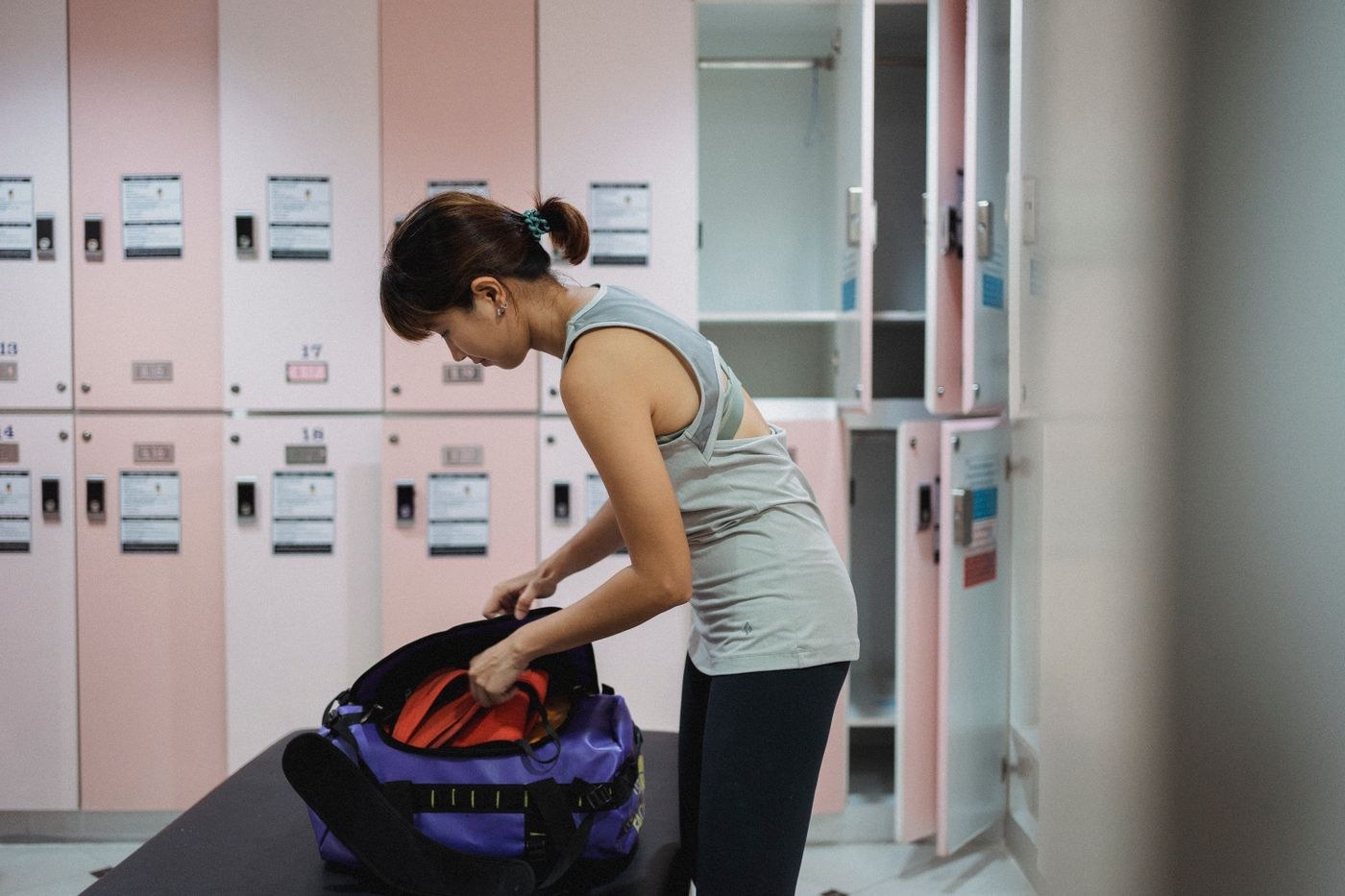
Pack clothing, shoes and entry details in advance, keeping anything damp or dirty separate from work items. Check the booking and route during a break rather than while hurrying out of the office. If you need medication normally carried with you, make sure it remains accessible when changing bags.
Consider ordinary food and drink arrangements without turning them into a complicated sports-nutrition routine. A long gap since your usual meal may be uncomfortable, while eating a large meal immediately before vigorous movement may not suit you either. Use familiar choices and timing that you tolerate; individual dietary or medical advice takes precedence.
Leave work tasks in a defined place. If you must remain reachable, set an appropriate notification arrangement and tell the instructor if an urgent call is possible. Trying to read emails while handling equipment divides attention at exactly the wrong moment.
A demanding shift can change how ready you feel. Begin with the warm-up and a manageable version instead of treating the booking as an obligation to perform at a fixed level. Tell the instructor if you need an easier session, and do not train through illness or concerning symptoms simply because you made the journey.
Plan the return trip and your next ordinary task, such as dinner or collecting something on the way home. A workable routine includes the period after class too. If the evening repeatedly feels rushed, change the time or frequency rather than assuming that more determination will solve a timetable problem.