Home & outdoors
A winter daylight session needs a finishing time as well as a starting time. Include travel and the last few minutes of packing up.
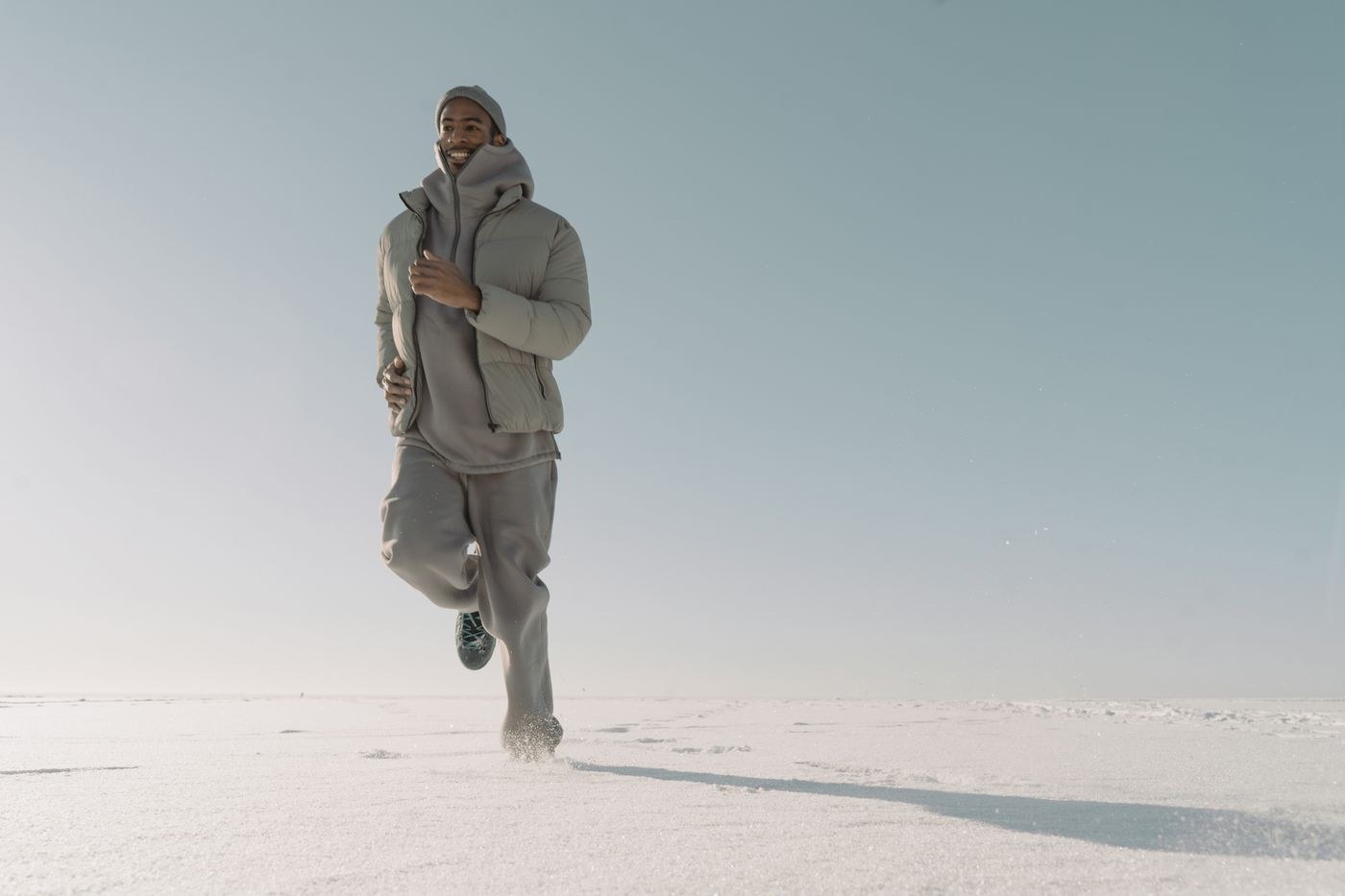
Check the local sunset time and forecast for the date you intend to go. Do not use last month's estimate or assume that a familiar summer route will feel equally clear in winter. Cloud, rain and shaded paths can reduce visibility before sunset, so leave a comfortable margin rather than treating the published time as a deadline.
Add the journey to the exercise itself. If you have a short lunch break, a nearby route may be more workable than travelling to a park and rushing back. Set a turnaround point that leaves time for the return, and allow extra time when you are trying a route for the first time.
A short out-and-back route or a small familiar loop lets you adjust the outing. Avoid a route that requires completing a long circuit once you have started. Check for closures, waterlogged sections and surfaces that may be slippery. Winter daylight does not make shaded ice or wet leaves harmless.
If you are meeting someone, agree on a precise meeting place and what happens if one person is late. Waiting for ten minutes can consume much of a short daylight window. Keep the activity flexible enough that a delayed start means a shorter session rather than a rushed return.
Carry what you need if the journey takes longer than expected, including a charged phone and suitable visibility equipment. Reflective material helps others see you after dark; it does not illuminate the ground. A light used to see the path serves a different purpose. Choose well-lit pedestrian routes when possible and remain aware of traffic.
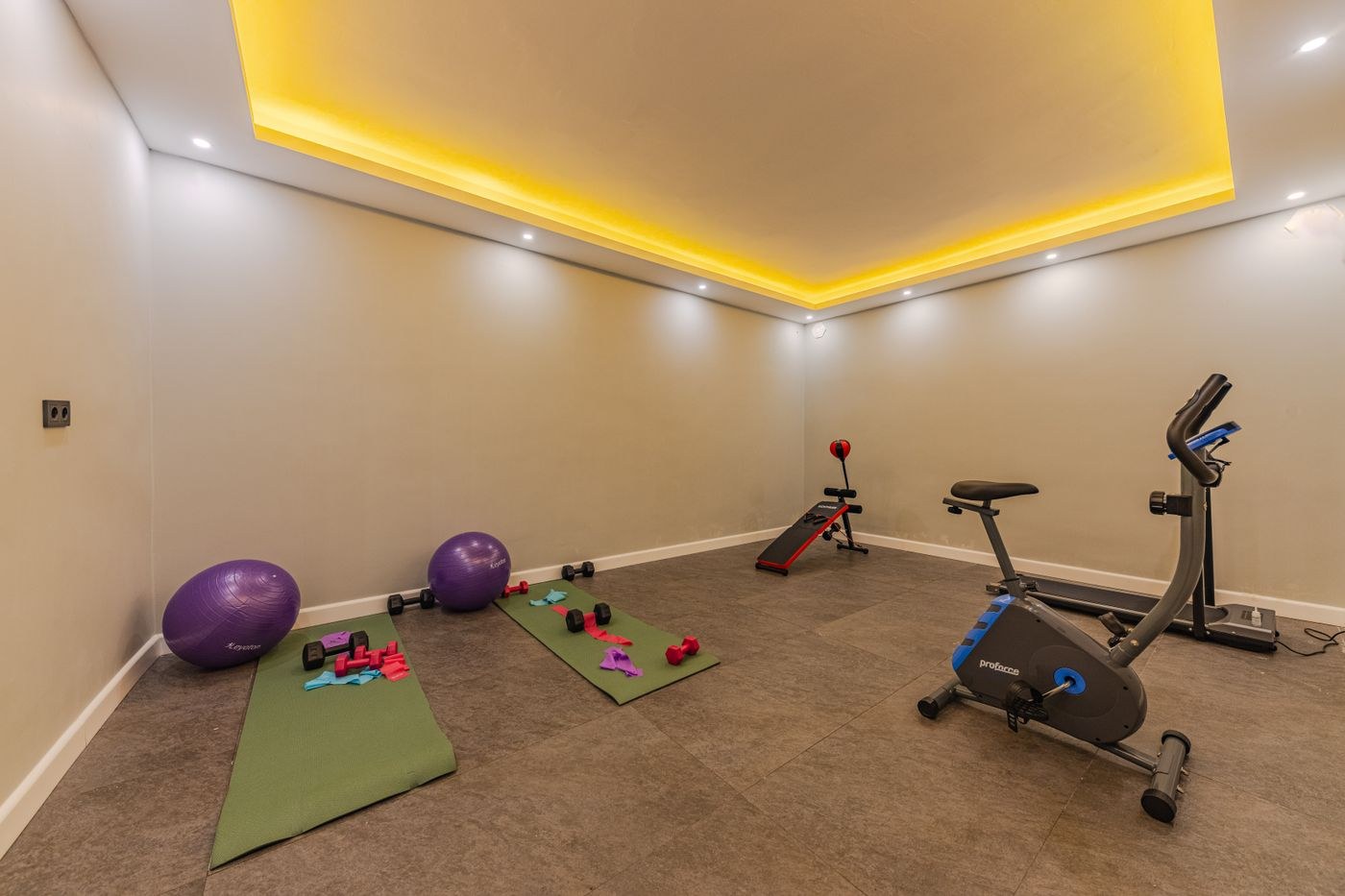
If the daylight window disappears because work runs late or weather worsens, use an indoor option or move the outing to another day. There is little value in forcing an unfamiliar outdoor workout into the final minutes of light. Record the realistic door-to-door time after a few outings so the winter schedule is based on what you can comfortably repeat.