Home & outdoors
Quiet training starts with the movements and the building, not with buying the thickest mat you can find.
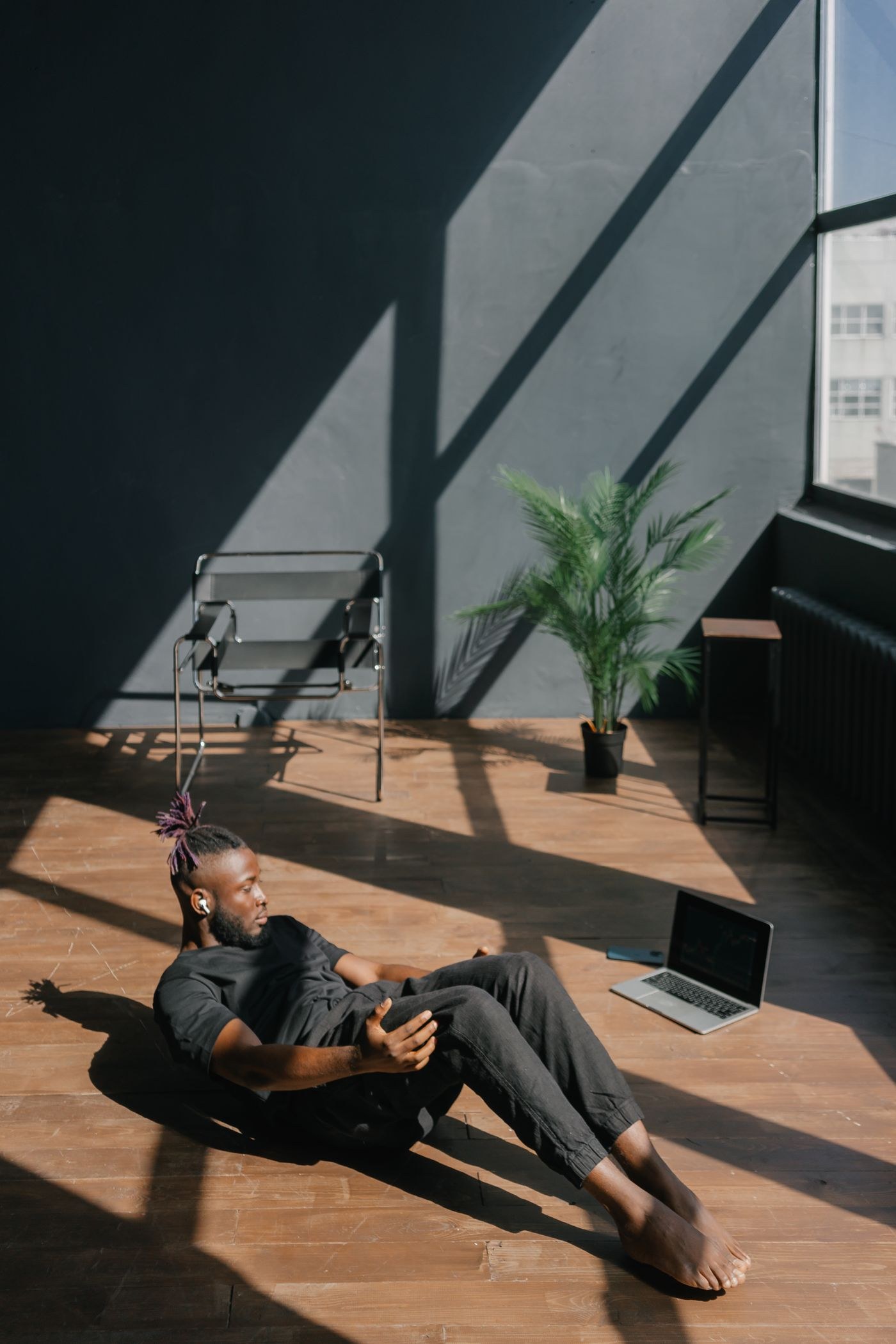
Jumping, dropping a weight and landing heavily create different problems from the sound of a timer. A soft mat may soften some contact noise, but it cannot guarantee that vibration will not travel through a floor. Choose movements that let you place your feet deliberately rather than repeatedly leaving the ground.
A familiar standing strength exercise, controlled marching or a seated movement may suit the space better than hopping or running on the spot. This is a change in exercise selection, not an instruction to perform every exercise silently at any cost. If suppressing noise makes you move awkwardly, stop and choose a different option.
Avoid assuming that the room furthest from your own bedroom is furthest from someone else's. Where appropriate, ask which times are least disruptive and follow any building rules. A short session at an agreed daytime hour may be easier to accommodate than a late-evening routine with music.
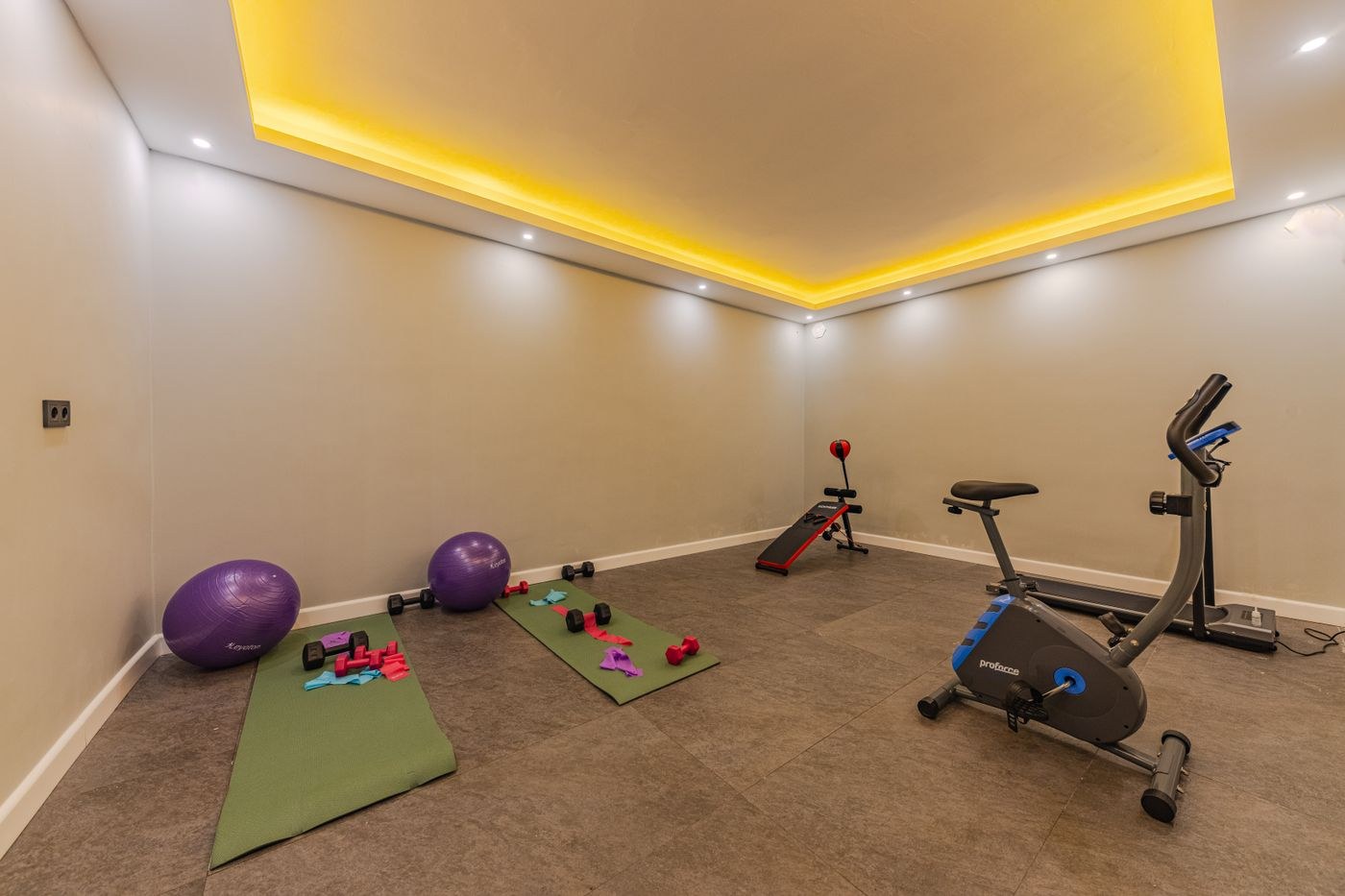
Put weights down under control on an appropriate surface after every set. Do not drop them onto padding to see how much sound it absorbs. A stable mat should lie flat without creating a soft, uneven base under standing exercises. Check the equipment manufacturer's flooring advice and remember that heavy equipment also raises questions about floor loading, which a mat does not solve.
Use a visual timer or a low-volume signal where possible. Headphones can keep a video soundtrack private, but you still need to hear a knock or an interruption. Position the screen so that you do not have to turn sharply while moving to read the next instruction.
Try a brief rehearsal and ask for feedback if a neighbour is willing. The aim is to learn which actions carry, not to make them monitor every workout. Keep a second option ready for days when quiet is particularly important: a walk outside, an appropriate session at another venue, or a smaller group of controlled exercises. If your only available routine depends on repeated jumps, the upstairs flat may simply be the wrong place for that routine.