Training habits
Progress can mean learning a movement, making activity easier to organise or finding that a familiar task feels more manageable. Body weight does not describe all of those changes.
If your aim is to attend a class regularly, attendance is a relevant measure. If you are learning a row, being able to set up the equipment and control the return matters. If you want to walk a local route, completing a suitable version comfortably may be more useful than a number on a scale.
Make the measure specific enough to observe. Instead of feeling fitter, you might note that you understood the station changes without help or walked the familiar route with fewer unplanned stops. These are personal observations, not medical tests or proof that every part of fitness has improved.
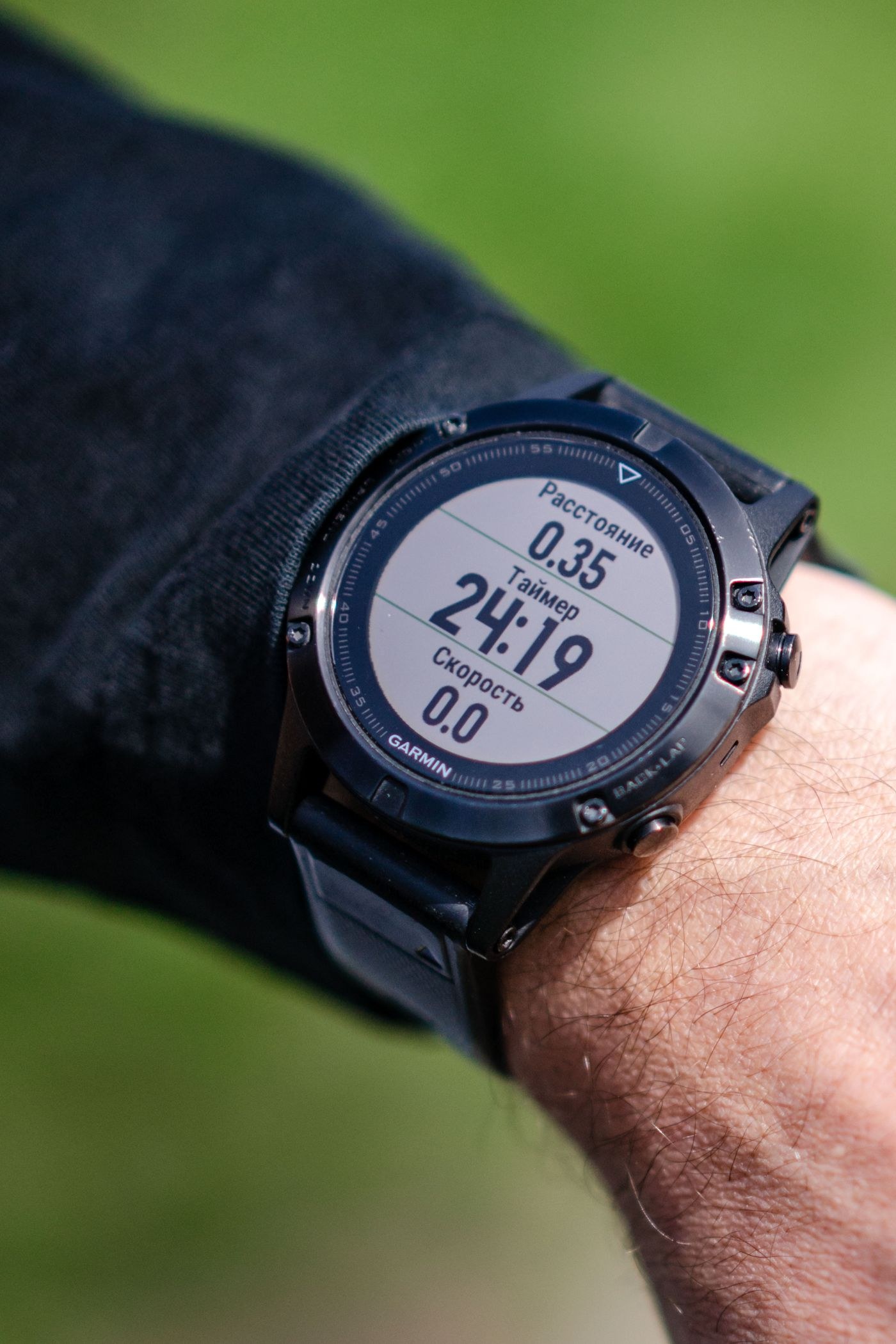
A faster walk is difficult to interpret if the route was shorter or the weather much cooler. More repetitions may reflect a smaller range or a lighter band. Record the context that affects the comparison, and avoid treating every higher number as an improvement.
Include skills and practical changes that do not have a natural score. Preparing the bag without a last-minute search, asking for an appropriate alternative or finding a class time you can attend are meaningful developments in a routine. They can make future activity easier even when the exercise numbers remain unchanged.
Choose only a few measures. Tracking speed, steps, loads, photographs, body measurements and every device estimate at once can obscure the purpose of the exercise. Keep the information that helps you make a decision and leave the rest optional.
Look across several sessions rather than expecting each one to improve. A difficult day does not erase earlier learning, and repeating a manageable version can be worthwhile. If a measure encourages you to rush, ignore symptoms or avoid rest, change the measure.
For health goals that need clinical monitoring, use the guidance of the professional involved in your care. A training log is not a substitute for that assessment. For general activity, progress can remain grounded in what you can do, understand and sustain, without requiring an appearance change to validate the effort.