Training habits
A training log is useful when it helps you make the next decision. It does not need to capture every possible measurement.

For a strength exercise, the name alone may not be enough. Include the version, load if used and the amount completed. Wall press-up from a particular foot position is more informative than press-ups. For a walk, the route and approximate duration may matter more than a long list of device statistics.
Add a short observation that changes what you would do next: the bench was too low, the band setup was clear, or the last repetitions became rushed. Avoid vague scores if you do not know how to interpret them. A sentence can be more useful than a number chosen differently every day.
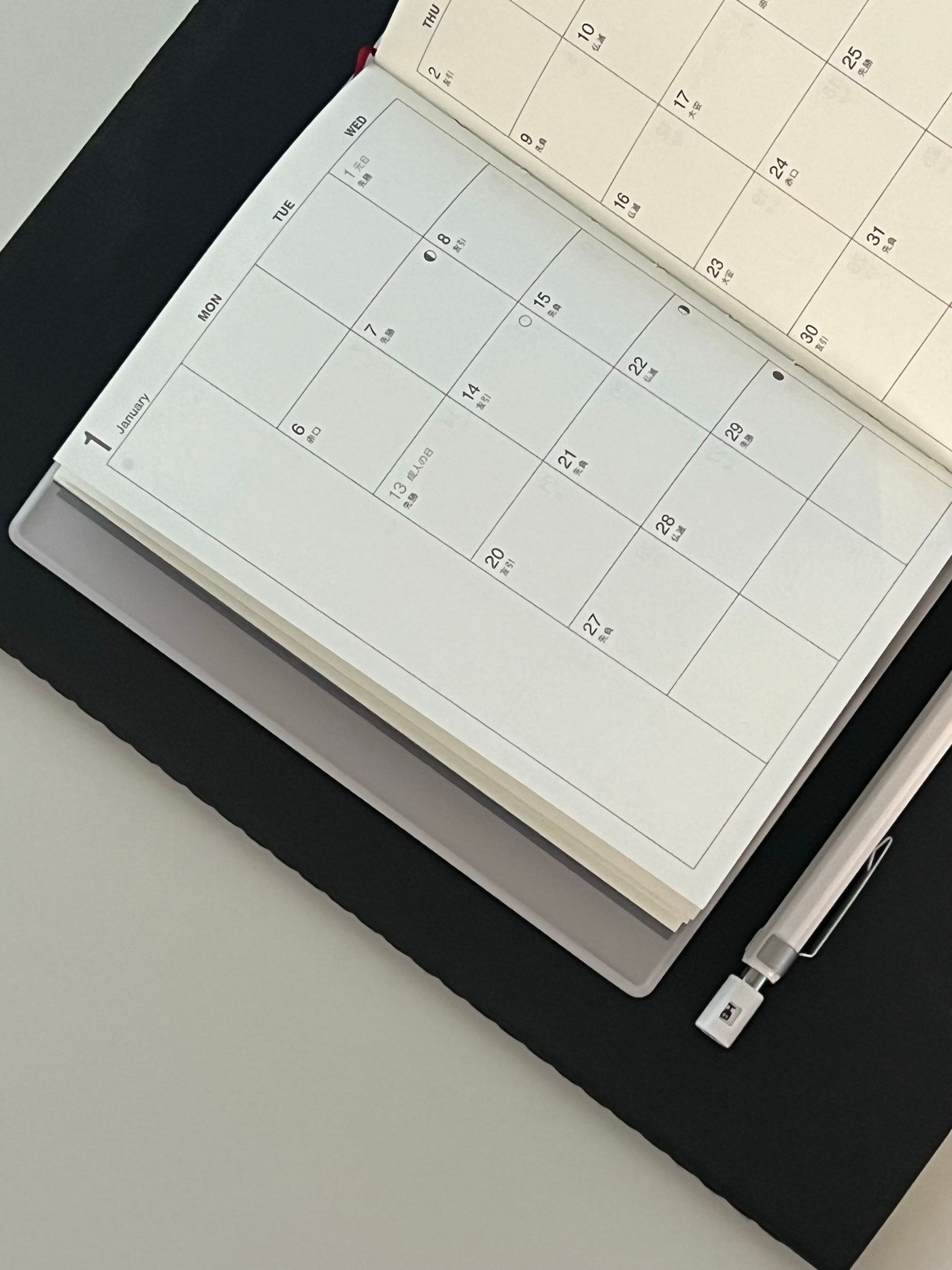
A notebook, a simple phone note or a spreadsheet can all work. Use the least complicated format that answers your questions. If opening an app requires several screens and a synchronisation step, it may be less convenient than writing two lines before leaving the room.
Keep entries consistent enough to compare. Record weights in the same unit and distinguish repetitions per side from total repetitions. If an exercise changes, note the change rather than treating the new result as directly comparable. A lower support, longer range or different band can alter the task without changing its name.
You can leave blank space for questions to ask an instructor. This turns the log into a conversation aid rather than a private verdict on performance. It is particularly useful when you have forgotten a setup detail by the time the next session begins.
Write during a safe pause, with equipment put down. Do not type while walking on a moving machine or holding a weight. If a class changes stations quickly, remember one or two details and record them afterwards instead of trying to document every interval.
Decide what information you actually want stored online before using a cloud service. A private paper log may be enough if you do not need sharing or device integration. There is no requirement to publish progress photographs, health details or every session to make the record legitimate.
Review several entries together. You may notice that a particular time is easier to attend or that the same exercise repeatedly needs clarification. One unusually easy or difficult day does not explain the whole trend. Keep context such as a different venue or disrupted schedule where it helps interpretation.
Remove fields that you never use. A log should become simpler as you learn which information matters. The useful outcome is arriving at the next session with a clear starting point and a sensible question, not maintaining an elaborate record that feels like another unfinished task.