Getting started
A trial session is a chance to evaluate a class as a service you may use regularly. You do not need to make the decision while still catching your breath.
Before attending, decide what matters most: clear teaching, a manageable timetable, a quieter setting or alternatives to floor exercises, for example. A short list helps you evaluate your actual needs instead of being distracted by an energetic room or a discounted membership offer.
Ask what the trial includes and whether it creates any further commitment. Confirm the price, booking process and cancellation terms directly with the provider. Keep promotional claims separate from the details of the session you will attend.
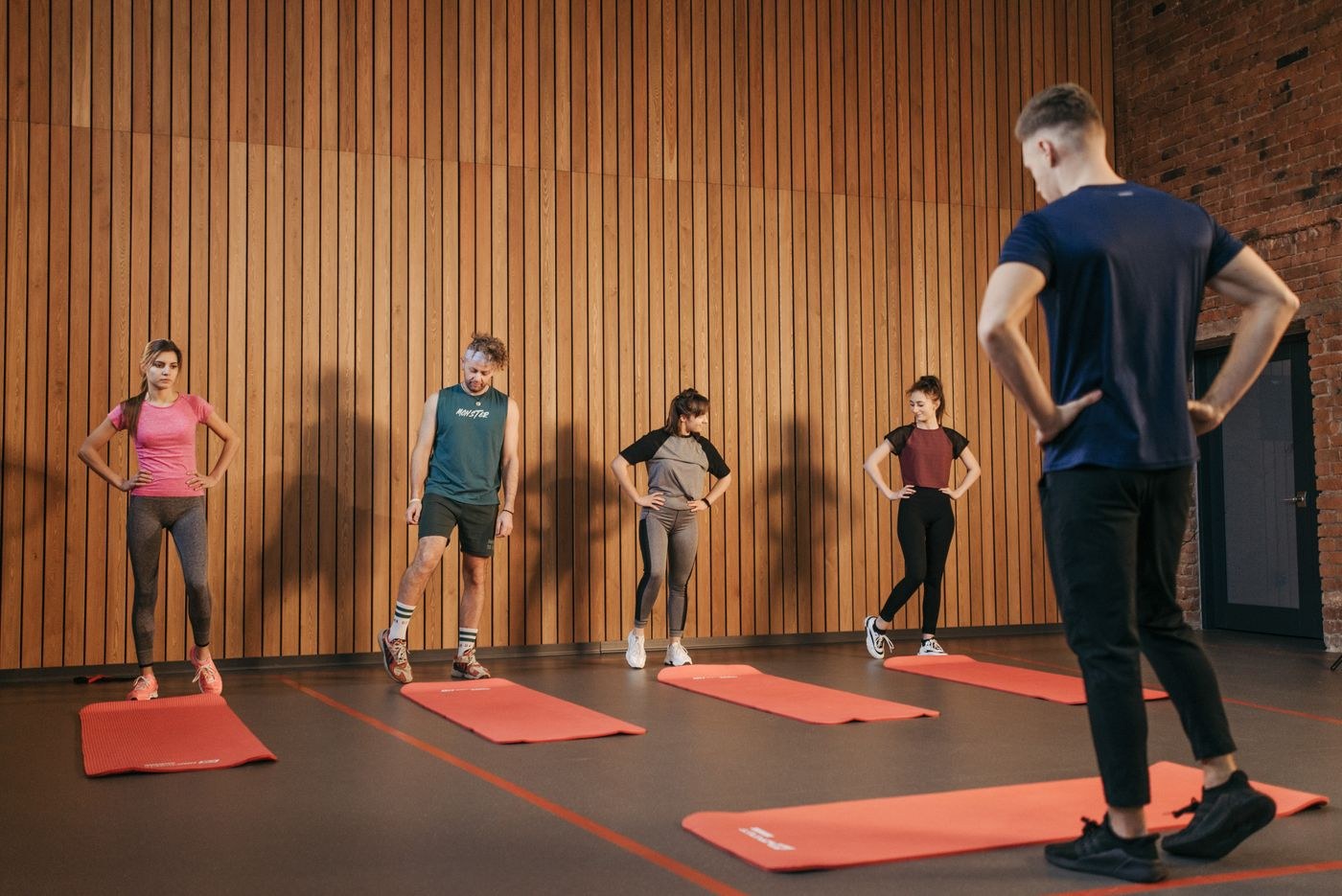
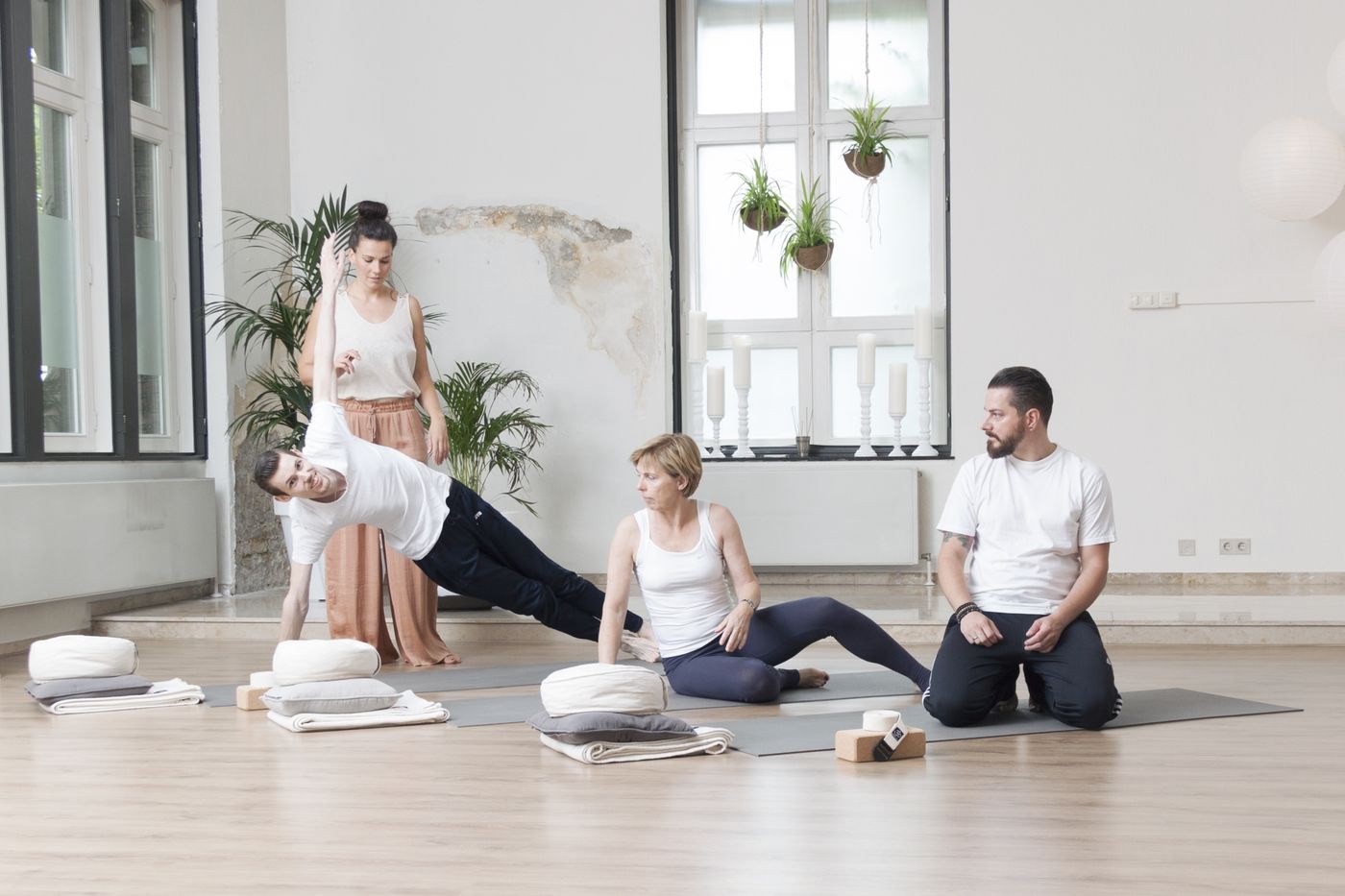
Notice whether the instructor explains the starting position, demonstrates the return and checks that people understand before increasing the pace. Observe how questions and exercise alternatives are handled. You do not need to perform every version to judge whether the communication is clear.
Assess the room as well as the programme. Can you see demonstrations, hear instructions and move without stepping around bags? Is there a clear place to rest? A friendly atmosphere is valuable, but it should be accompanied by an arrangement that lets participants follow the session.
Include travel, changing and the journey home in your assessment. A class can be enjoyable yet impractical if the last bus leaves before it finishes. Check whether the same instructor, venue and format are normally used, as a special introductory event may differ from the regular timetable.
Consider how you felt able to make choices. Could you slow down, ask a question or stop without embarrassment? Feeling exhausted does not establish that a programme is effective or suitable. Likewise, needing an alternative is not evidence that you failed the trial; it is useful information about the support you need.
Write down unresolved questions before comparing membership options. If attendance depends on one particular time, check how often that slot runs and what happens during holidays. If you are considering a block of sessions, work out the likely number you can actually use rather than the maximum advertised allowance.
You can choose another trial or decide that the venue is not a good fit. A useful outcome may be discovering that you prefer a smaller group, slower introduction or different style of exercise. The trial has served its purpose when you can explain your decision in terms of your needs, the teaching and the practical arrangements.