Getting started
A starting pace should leave room to notice how you are moving. The first few minutes are for gathering information, not proving that you can keep up.

Start a walk or an uncomplicated aerobic warm-up slowly enough to settle into the movement. Notice your footing, breathing and whether you can hear the instructor. A song, a countdown or the person beside you can make the opening pace feel predetermined, but none of those cues knows your current capacity.
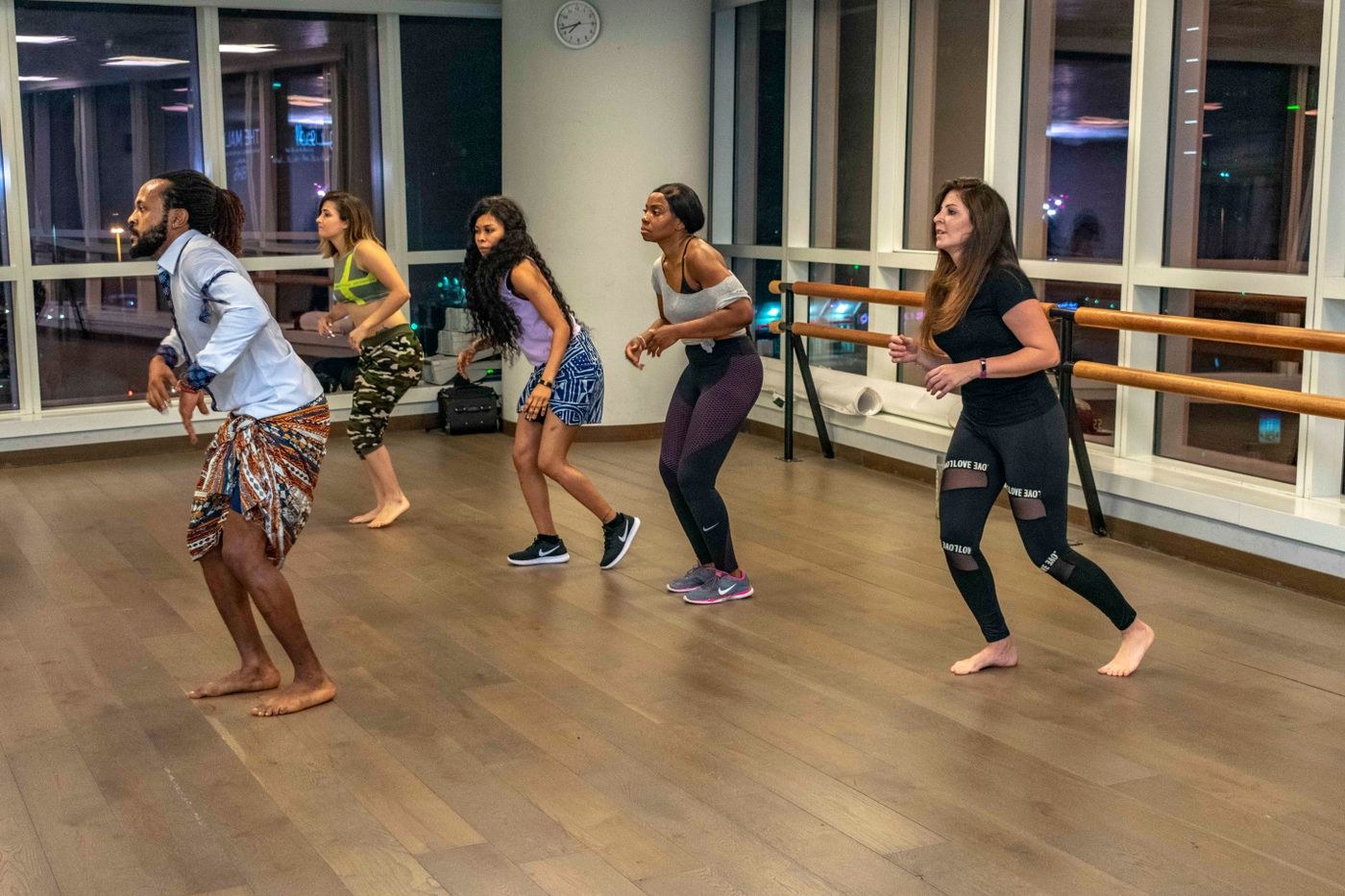
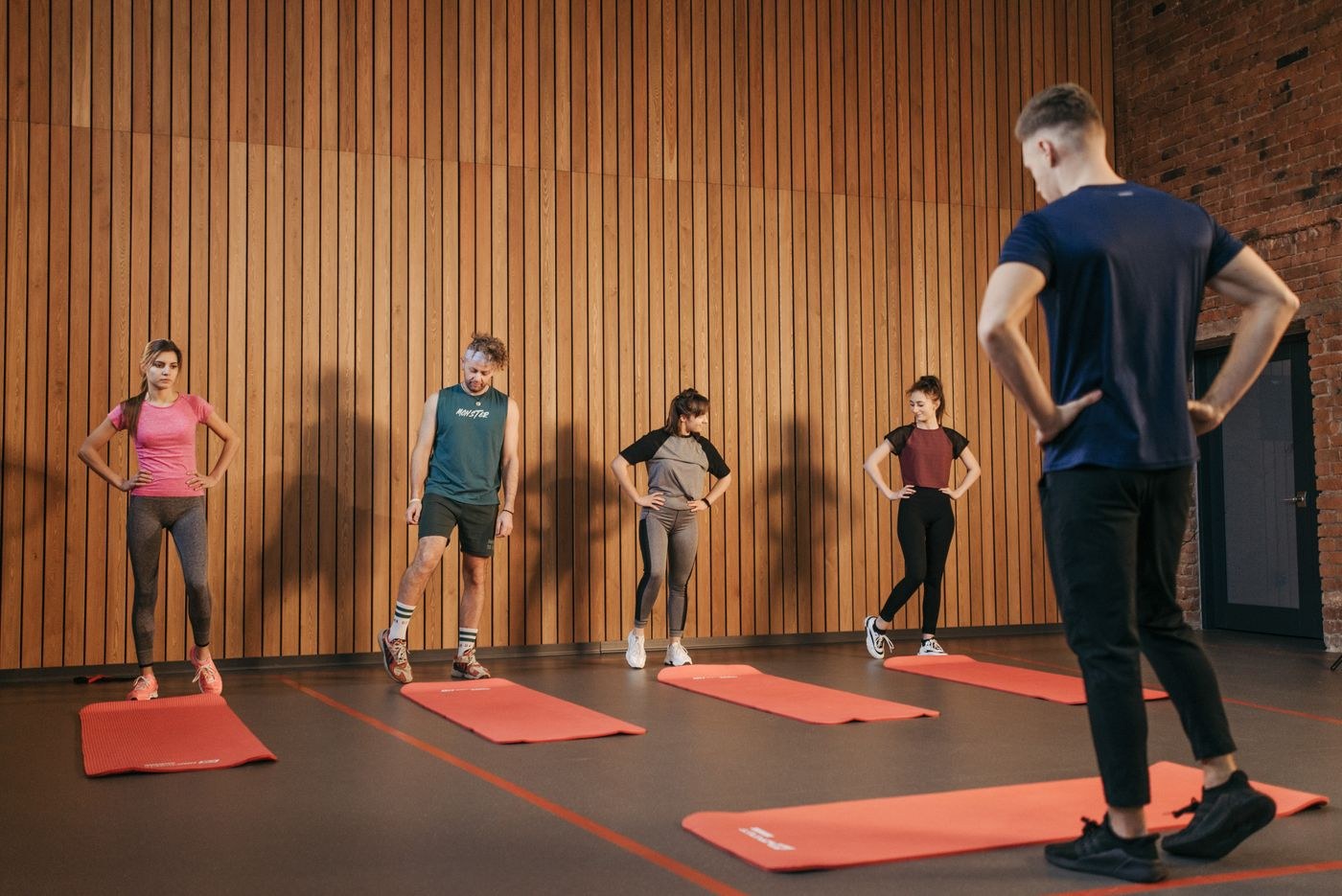
If you have been inactive for a long time or have medical concerns, ask a healthcare professional about suitable activity before using a general class as a fitness test. When joining an organised session, tell the instructor that you intend to start conservatively. That gives them an opportunity to explain where you can pause without blocking the group.
During steady aerobic activity, speech can help you judge effort. NHS guidance describes moderate intensity as being able to talk but not sing. Treat this as an approximate guide, not a competition to reach that boundary immediately. A comfortable starting effort can be lighter while you learn the route or the exercise.
Also watch the movement. If your steps become hurried, you cannot place your feet accurately or you are missing instructions, ease back even if a watch displays a reassuring number. Heart-rate readings can be affected by the device, activity and individual circumstances. A target copied from another person is not a substitute for your own response.
Make a small adjustment and allow it time to register. On a walk, shorten the stride or reduce speed; in a class, choose a simpler version with the instructor. Constantly switching between very fast and very slow effort makes it harder to find a repeatable rhythm. Aim to finish the first short section knowing what a manageable pace feels like.
The same pace can feel different on a warm day, on a slope or after a demanding shift. You do not owe a previous session its exact speed. Begin with the present conditions, then adjust only if the movement remains controlled and you feel well.
Ordinary effort should not be confused with warning symptoms. Stop if you develop pain, dizziness or feel unwell, and seek appropriate medical advice rather than testing whether you can push through. If you simply started too fast and remain otherwise well, take recovery time and discuss a more manageable option. The useful outcome is a pace you can recognise and choose again, not a dramatic finish.