Getting started
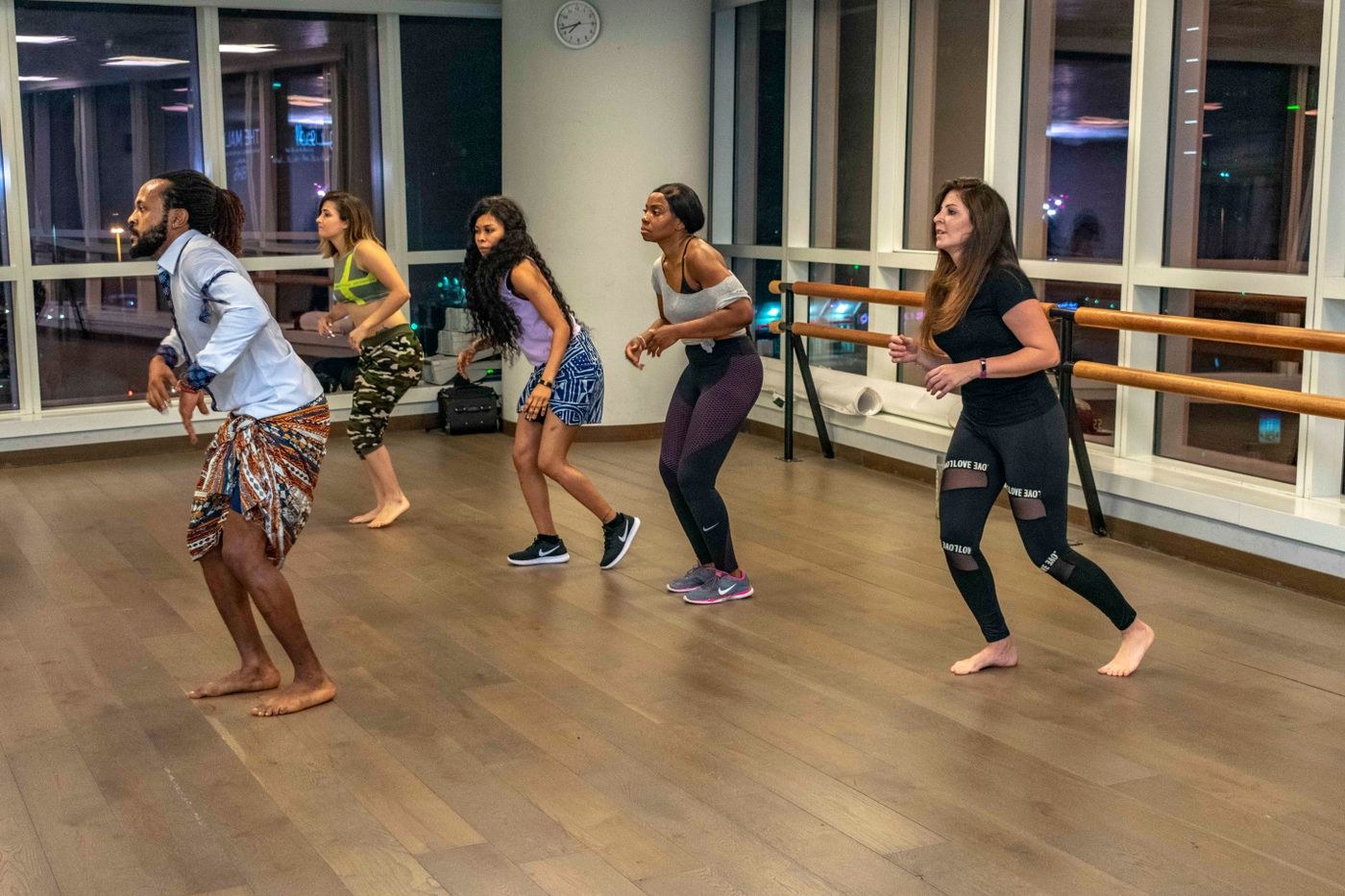
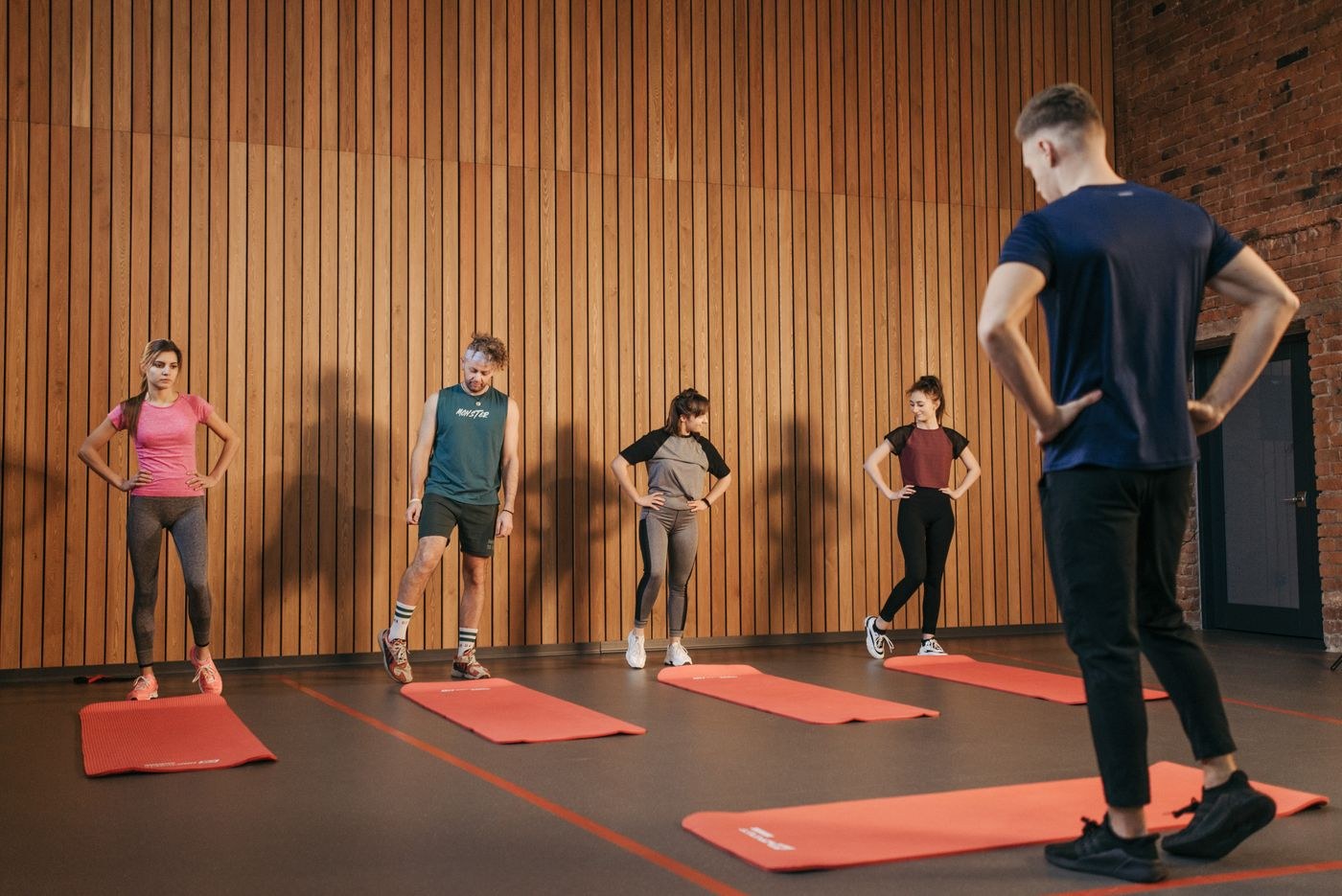
A warm-up is most useful when it leads towards the movements you are about to practise, with enough time to notice how you feel that day.
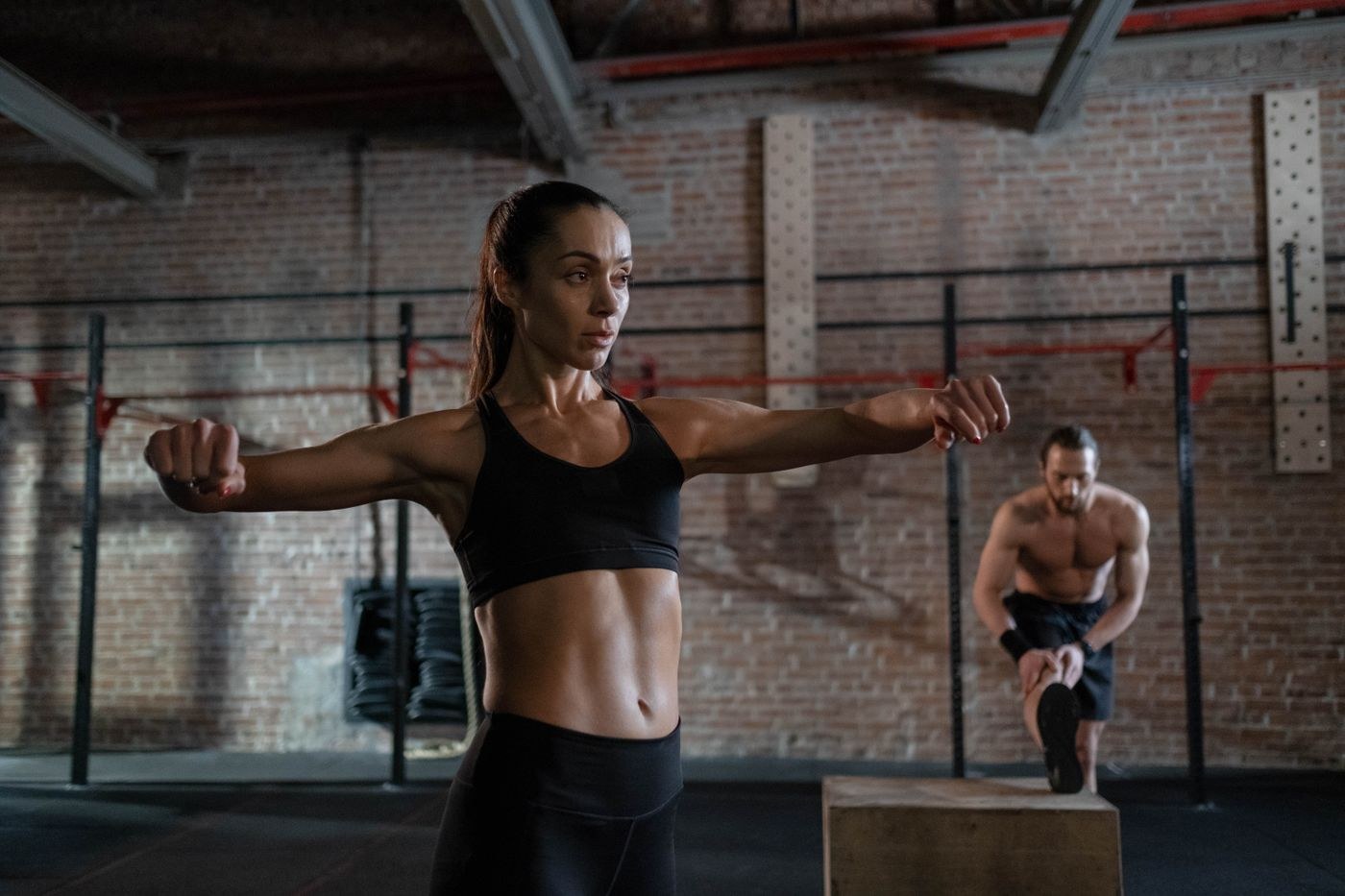
Easy walking, gentle marching or another familiar activity can provide a gradual beginning. Choose a version that fits your space and current ability. The first minutes are not the place to introduce an unfamiliar jumping sequence simply because it looks energetic. You should be able to pay attention to the room, the instructions and your own response.
If you arrive late to a class, tell the instructor. Do not assume that walking from the car park fully replaces the preparation the group has just completed. Ask how to join without jumping straight into the hardest section. Sometimes the sensible answer is to begin with a simpler movement at the side until you are ready to continue.
After the gentle start, consider what the session contains. Before practising squats, you could rehearse comfortable shallow bends without a load. Before using a light resistance band, check the setup and try a small controlled pull. These rehearsals help you establish where your feet, hands and equipment belong before fatigue or a timer competes for attention.
Increase range or effort gradually rather than changing everything at once. A warm-up for walking need not contain the same movements as preparation for a dumbbell session. Equally, the most elaborate sequence is not necessarily the most useful. Select a few actions that make the coming task more familiar, and allow extra preparation if you still feel stiff or uncertain.
Avoid forcing a joint to its furthest position to make the warm-up look complete. Comfortable movement is the aim. If you have been given an individual preparation routine by a physiotherapist or another qualified professional, follow that guidance rather than replacing it with a generic class sequence.
For a walking session, an easy opening section on a predictable surface can lead gradually towards the intended pace. For a class beginning with a loaded movement, the preparation also needs time to rehearse that particular setup with little or no resistance. Simply feeling warm after a brisk journey does not explain how to handle the equipment. Ask whether the instructor includes practice attempts before the first working set.
A sequence can be adjusted without becoming longer and more elaborate. If the class contains no jumping, there is no reason to add unfamiliar jumps solely to make the warm-up look athletic. If floor access takes time, discuss a standing preparation rather than rushing down and up for one brief exercise. Consider the available space as well: movements that spread sideways may be unsuitable while other participants are still entering. The preparation should lead smoothly into the session you are actually doing and give the instructor a chance to clarify anything that remains uncertain.
Notice whether the chosen movements feel controlled and whether your breathing settles into an expected pattern. This is information for the main session. If an unloaded practice movement is awkward, adding a weight or speeding it up is unlikely to clarify the problem. Ask for help with the setup first.
A warm-up cannot guarantee that injury will not occur, and it is not a test that clears you to ignore symptoms. Stop if you feel pain or become unwell. If the preparation goes comfortably, move into the first exercise with a manageable version and retain the option to reduce the work. You can finish a warm-up ready to learn without feeling exhausted.